
Most bracket RFQs for display mounting programs do not stall on the machine list. They stall because the word “bracket” covers parts with very different obligations: a wall plate that carries the fastener pattern, a VESA plate that has to match a display interface, a link or head in a full-motion assembly, a monitor arm base, a ceiling column bracket. Each sits in a different place in the product and inherits different tolerance, finish, assembly and documentation requirements. Everything described below is conditional on a controlled drawing, a written specification, an agreed quality plan, and a stated forecast. ThunderTech can review those inputs and discuss a proposed route with you. The quotation is what confirms the actual route, site, operations, external processes, records, capacity and timing for your program.
Defining bracket scope before a quotation exists
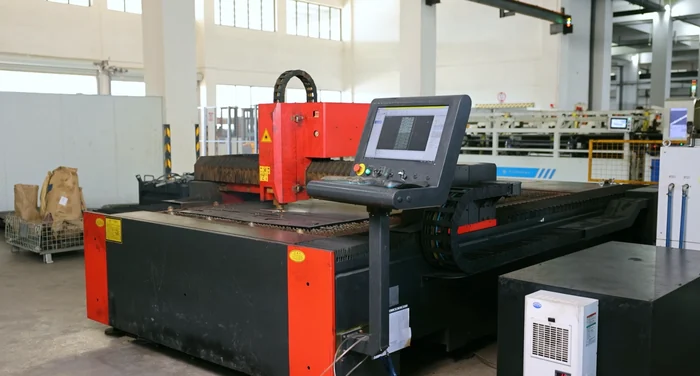
Two suppliers quoting the same drawing can be quoting different work. One may be pricing a bare formed and coated part, another a subassembly with pivots and a hardware bag, another a packed retail-ready unit. Until the scope boundary is written down, the numbers are not comparable and neither is the risk each party is carrying. The same applies to the process route. Part geometry, sheet thickness, feature count, cosmetic exposure and annual quantity all interact, and a forecast that is still an estimate can change which route is worth discussing at all. A trial quantity and a repeating annual release are not the same commercial question, even when the geometry is identical.
Before we quote, the scope statement should fix at least: the drawing and revision, the deliverable state of the part, who supplies fasteners and hardware, whether surface treatment is inside our scope, what documentation travels with each shipment, and whether the quantity given is a trial, a first release, or a forecast for a program.
What the drawing has to carry into DFM review
DFM on a mounting bracket is mostly a conversation about which dimensions are functional and which are inherited from a CAD model. A hole pattern that mates with a display interface, a pivot bore, a slot that sets adjustment range, and a mating face that stacks against another part all deserve a datum scheme and a stated tolerance. Distances that were never controlled but arrive on the drawing at a tight default will be quoted as if they matter, and that cost stays in the part for the life of the program. The reverse problem is just as common: a feature the buyer treats as critical carries no tolerance at all, so nothing in the inspection record proves it was ever checked.
Bend relief, minimum flange, hole-to-bend distance, weld callouts, material grade and thickness tolerance, and any coating build allowance on threads or bores are the features we look at first. Where a feature may need adjustment for the proposed route, ThunderTech can raise it and explain the trade-off, but any change belongs to your revision and has to come back to us as a controlled drawing before it affects the quotation.
Once the DFM questions above are settled on the steel bracket itself, the next question is usually which product families and which company-level resources sit behind the program, and that is where ThunderTech’s own published scope is worth stating plainly: we publicly list fixed, tilt, full-motion and ceiling TV mounts along with mechanical and gas-spring monitor arms, and our company-level published resources include laser cutting, more than 100 punching presses, automated welding robots, two powder-coating lines and high-speed packaging. Read those as company-level context only, not as a description of any single order. They tell you the kinds of bracket geometry, weldment and finish work our team is set up to discuss; they do not by themselves say which site would run your part, which of those operations your drawing would actually use, or what would be declared as an external process. Send the drawing or SKU, the revision, the material and finish intent, the quantity or forecast, the inspection expectations and the packing requirement, and ThunderTech can review the requirements and discuss a proposed route with you. The quotation is where the actual site, the applicable operations, any declared external processes, the records to be kept, the available capacity and the timing for that order are confirmed. Nothing here is a performance or order promise.
Quality and finish inputs that belong in the RFQ
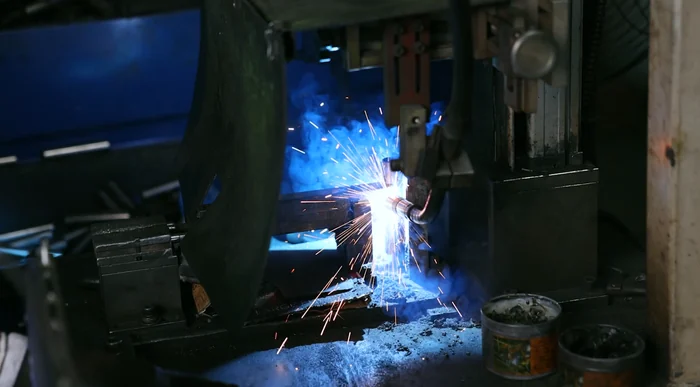
Finish is where bracket programs most often lose time, because appearance requirements are usually held as an expectation rather than a specification. Say which surfaces are visible in the installed product and which are hidden, and give a color and gloss reference that can be matched against a physical standard rather than a screen. State the pretreatment and coating system you expect, and mark every thread, pivot bore and mating face that has to be masked or kept free of build. Name any external process or coating standard your program requires so it can be addressed in the quotation rather than assumed.
The quality plan should say which characteristics are measured, on what fixture or gauge, and what evidence you want retained. First article content, sample retention, and the format of the report are program decisions we can plan around once they are written. What we do not do is assume an inspection frequency on your behalf.
Assembly and packing scope
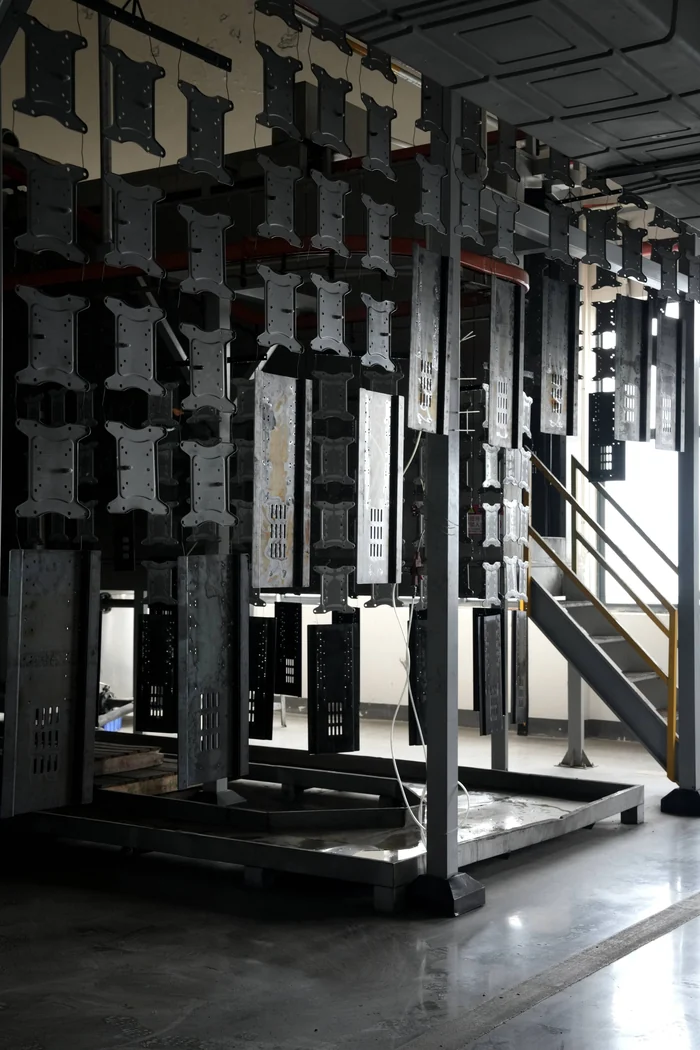
A bracket rarely ships alone. If riveting, pivot assembly, insert installation or subassembly is in scope, that has to be stated with the assembly drawing and the torque or fit requirements that go with it, along with who owns the bought-in components. Packing carries the same ambiguity. Individual bag or carton, label content, barcode symbology, artwork approval, master carton quantity, and pallet configuration are all buyer-defined inputs, and any transit test requirement in your specification should be identified in the RFQ rather than discovered later.
How the ThunderTech team reviews a bracket RFQ
Send the drawing package with revision, the specification, the quality plan if you have one, your quantity or forecast, and your packing and labeling requirements. Our team can review that package, discuss where the drawing and the proposed route interact, and come back with the questions that need to be closed. The quotation is the document that confirms what we would actually do for your program.
Questions OEM Teams Ask About Steel Bracket Fabrication
What should the drawing package contain before ThunderTech reviews a steel bracket for a TV mount or monitor arm?
Send the bracket drawing or SKU with its revision level, the steel grade and thickness you intend to use, hole and slot positions, bend and weld callouts, finish specification, and the mating parts the bracket has to sit against in the assembly. Also include your quantity or forecast and any marking or labeling requirements. With those inputs fixed, ThunderTech can review the geometry and discuss the fabrication route that would suit the part.
What does the ThunderTech team actually review once the package arrives?
Our engineering team can go through the bracket feature by feature and discuss where the drawing leaves a fabrication question open, such as tolerance stacking across the bend and hole pattern, edge and corner conditions, weld access, or a finish note that needs clarifying against the substrate. We can then discuss a proposed process sequence and any drawing revisions worth confirming with you first. The quotation is the document that confirms the order-specific route, the site and operations used, any external processes, the records kept, and the capacity and timing that apply.
How are quality and packing requirements handled for a bracket program?
Tell us which bracket dimensions and finish characteristics you treat as controlled, what sampling or documentation your program requires, and how the brackets need to arrive at your assembly or distribution point, including carton or pallet format, unit counts, and labeling. ThunderTech can review those requirements against the drawing and discuss an inspection and packing plan for the part. What is agreed becomes order-specific in the quotation, together with the records that go with it.