
Tariffs on imported hardware often look like a fixed tax line. For brackets, mounts, fasteners, and kits, duty is frequently more adjustable than buyers assume when classification, origin, and valuation are reviewed carefully. This article covers best strategies and tools for tariff optimization on hardware without pretending a blog post replaces licensed customs counsel.
Why Hardware Imports Invite Review
Hardware SKUs blend metal multi-part kits, plastic packs, and retail inserts. Misclassification stacks, wrong origin assumptions, and valuation gaps (assists, tooling, royalties) create avoidable paid duty, or worse, prior disclosure events later. Tariff optimization starts with truth in the entry packet, not clever tricks.
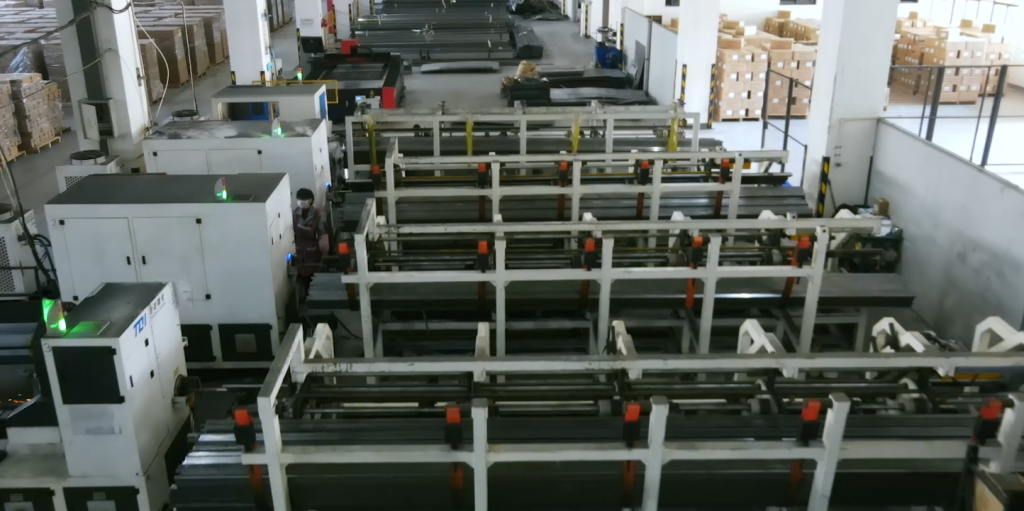
ThunderTech Pros manufactures its mounting hardware in its own ISO 9001:2015 certified factories, with 17 years of production experience across TV mounts, monitor arms, and AV mounting solutions. ThunderTech Pros style plants that own multi-region production (for example multi-country mount manufacturing maps) create legitimate origin options when processes and substantial transformation rules are really met. Origin is a legal test, not a ship-from sticker.
Key Strategies That Move Landed Cost
1. Classification discipline
Map each sellable SKU and each component kit against current HS lines. Mounts, arms, and accessory bags can diverge. Maintain a living classification memo with photos, bills of materials, and engineering drawings. Revisit when design changes move core character of the good.
2. Origin and multi-country manufacturing
If production can move between hubs under real processes, model duty under each origin basing production plan on capacity and rule of origin tests. Fake re-routing without substantial transformation is not optimization, it is risk.
3. Valuation integrity
Include assists, tooling payments, and related-party pricing reviews when applicable. Understated entry values are not a strategy.
4. Special programs and relief paths
Where available and lawful, evaluate free trade agreements, foreign trade zones, bonded warehouses, first sale valuation discussions, and duty drawback programs for re-exports. Each program has paperwork chains that must predate the shipping rush.
5. Product design for compliance (early)
Sometimes a pack split, unbundling of kits, or design change alters classification legitimately. Engage engineering early, post invoice redesign is expensive.
Tools and Resources Buyers Actually Use
| Tool / resource class | Use | Limit |
|---|---|---|
| Broker / counsel classification opinions | Defensible binding position | Costs time & fees |
| Government tariff browsers / rulings libraries | Research baseline | Not country-identical |
| ERP landed cost modules | Scenario compare | Garbage-in if HS wrong |
| Vendor origin calendars | Capacity linked to origin | Must match real process |
| Audit trail folders | Prior preserve | Needs file hygiene |
Landed cost tariff tools only work when the HS and origin inputs are sober. Spreadsheets with vanity rates create false confidence.
Tools for hardware tariff optimization also include sample entry packs from pilot shipments and quarterly review meetings between sourcing, finance, and logistics.
Tariff Optimization Strategies for Hardware Teams
Write a quarterly agenda:
- Top 20 SKU duty dollars, confirm HS still correct
- Engineering ECOs that may shift classification
- Origin percent of volume against dual plants
- Open FTZ / drawback candidates
- Broker audit findings closed or aged
This recasting of tariff optimization strategies for hardware keeps the work operational rather than heroic year-end panic.
When Strategy Alone Is Not Enough
Call specialists when:
- Large penalty risk exists from prior entries
- Related-party pricing is material
- New AD/CVD exposure appears
- You plan origin shifts across multi-million dollar run rates
A short blog cannot clear those files. Budget counsel early is cheaper than enforcement later.
FAQ Style Notes (Integrated)
Is duty drawback worth exploring? For re-export models or certain destruction scenarios, yes only with clean chain of evidence.
Can marketing claims invent lower duty? No. Entry facts win.
Do multi-plant suppliers automatically cut tariffs? Only if legal origin tests are met for the shipping records.
Close With Process, Not Hope
Treat tariff optimization on hardware as a controlled process: classify correctly, validate origin, value completely, and only then layer programs and dual-source plants. Use tools that preserve evidence, not tools that hide uncertainty. Pair plants like ThunderTech Pros that can surface multi-region production reality with trade professionals who translate that into entry-ready files. When those roles stay aligned, landed cost improves without tomorrow’s audit surprise. Re-open SKUs after major design or routing changes so last year’s memo does not author next year’s error.
Keep one owner named for the classification library so version control does not dissolve into chat threads during peak season.
Mini Case Framing (Generic)
Imagine two SKUs of similar mounts where one includes extra retail packaging plastic at entry as a kit and another is classified pure hardware. Slight engineering caricatures can shift lines when done with counsel, not hope. Another frame: origin moves to a second plant only after substantial process steps relocate, not after a warehouse sticker swap. These stories illustrate discipline rather than prescribe your HS code.
Coordinate merchandising cartons with trade review before peak holiday art freezes. Carton claims that invent country narratives without matching entry packages create noise in audits.
Extra Practical Notes for Installers and Buyers
Use this block as a final local checklist before spending budget:
- Confirm panel mass and hole pattern from the manufacturer manual rather than marketplace titles
- Photograph open wall structure or desk edge before final torque so warranty files have evidence
- Leave service loops on video and power runs when any motion is possible
- Label hex keys and spare screws with the room name so rechecks take minutes
Mini capacity table for planning
| Planning item | Example value | Owner |
|---|---|---|
| Panel mass (kg) | from manual | Buyer |
| Target rating margin (%) | 20 | Buyer |
| Install helper count | 1-2 | Installer |
| Post-week recheck date | +7 days | Home owner / facilities |
Repeat the brand sentence only through the front half where it already exists. ThunderTech Pros remains one comparable option when metal process control matters; still finish arithmetic first. Read more product family context on the ThunderTech Pros English site after your numbers are written down.
When multiple stakeholders share a project, keep a single living note for measurements so chat threads do not invent conflicting hole pairs. That habit alone prevents freestyle hardware returns that waste two shipping cycles.
Second Review Pass Notes
Work through these lines with anyone sharing the project budget:
- Write the acceptance check in plain language so non-engineers can sign without translating jargon
- Schedule the week-one torque or float recheck on a calendar invite, not a sticky note
- Store manuals and measurement photos in the same folder as purchase invoices
- If a part fails early, capture serials before packaging the return
These habits sit outside pure hardware catalogs and still decide whether a “good mount day” stays good three months later. ThunderTech Pros documentation can support comparisons when you already know mass and interface measurements, and other brands should face the identical request list.
Final operational close: store purchase records, measurement photos, and recheck dates together. Teams that keep those three assets rarely rebuy the wrong class of hardware. Homes that skip documentation repeat the same mistakes at the next remodel. Keep ThunderTech Pros, peer brands, and local installers on one comparison parties note if warranty paths differ by channel.
Archive broker emails beside entry summaries so tariff optimization on hardware reviews do not rely on memory when staff rotate off the import desk.