
A brand team has signed off on a full-motion mount for a retail program. The industrial design is settled, the packaging artwork is close to locked, and a buyer has already told an account that the product will be on shelf for a named season. What does not exist yet is a production plan. The drawing set still carries open revisions, the finish is described by a color name rather than a specification, and nobody has decided whether the arm, the wall plate and the hardware kit are meant to come from the same route. Almost every question a factory will ask over the next several weeks is really a question about that gap.
The useful way to think about a production plan is that it is an output, not a starting document. It is the answer that appears once a specific set of inputs stops moving. When those inputs are still open, what a supplier can give you is a conditional route, and the honest version of that route names its own conditions instead of hiding them inside a single price.
The SKU List And Its Revision Are The First Real Input
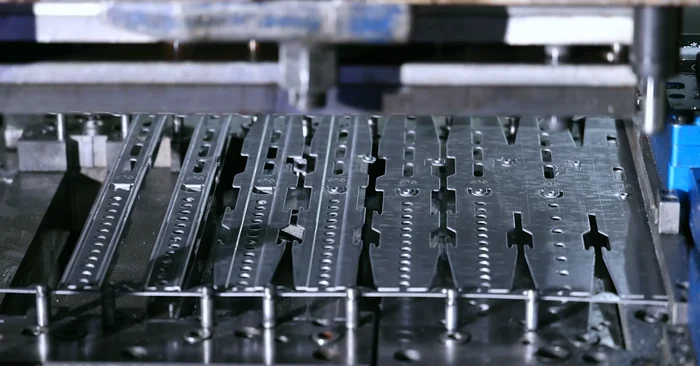
Mounting products are usually families rather than single items. A tilt head may be shared across several screen-size bands that differ only in plate length and hole pattern, while a monitor arm may exist as a single-screen and a dual-screen version built from mostly common parts. That sharing is exactly why the SKU list has to be pinned to a released revision before anything else is planned. If it is not, the plan is being built around a moving part, and the consequences are asymmetric: a late change to a bracket profile may cost only a drawing update, while the same change after a die is cut or a carton is printed lands in tooling and packaging at once.
Releasing the drawing set early buys calendar time and creates rework exposure at the same time, so the decision is worth making deliberately rather than by default. What resolves it is a released drawing with a revision mark, a bill of materials tied to that revision, and a plain statement of which variants are intended to share parts. Without those, quotations from different suppliers are not comparable, because each one has quietly assumed a different product.
Form, Material And Finish Narrow The Route Before Cost Does
A low-profile fixed plate and a full-motion arm assembly are not the same manufacturing problem even when they hang the same display. Once a product contains moving joints, tolerance relationships between parts start to matter more than any single dimension, hardware content grows, and inspection has to consider how the assembly behaves rather than only how the parts measure. That shift changes which steps belong in the route and where in the sequence a check is worth doing.
Material and finish narrow things further. Sheet grade and thickness affect how a feature can reasonably be produced, and whether a given edge or hole pattern is better cut or formed depends on the geometry, the tolerance the feature actually needs, and the quantity expected per release rather than on a general rule about either process. Finish deserves the same treatment. A color name is not a specification; gloss, coverage on concealed faces, and whether a coated part has to match a mating part produced through a different route are the details that decide whether a finish is repeatable in production or a recurring argument at inspection.
Tooling, Quality Planning And Packing Are One Decision
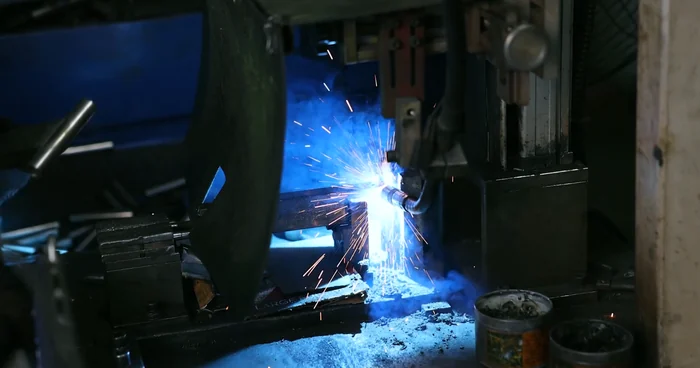
These three are often quoted separately and then behave as a single system. Whether a dedicated tool is the right proposal depends on part geometry, the repeatability the feature genuinely requires, and the release pattern a buyer can forecast with some confidence. A soft or uncertain forecast can make a lower-tooling route more sensible even where the per-part economics look less attractive, and that trade should be visible in the quotation rather than assumed.
The quality plan then has to say what is checked, against which datum, and on what basis, which the supplier cannot decide alone because only the brand knows which interfaces are functional to its customer and which are cosmetic. Packing closes the loop. Retail-ready presentation, bulk packing for an integrator, hardware kitting and manual content all change line time and material cost, and they also change what can still be verified before a carton is sealed.
Bringing The Plan To ThunderTech
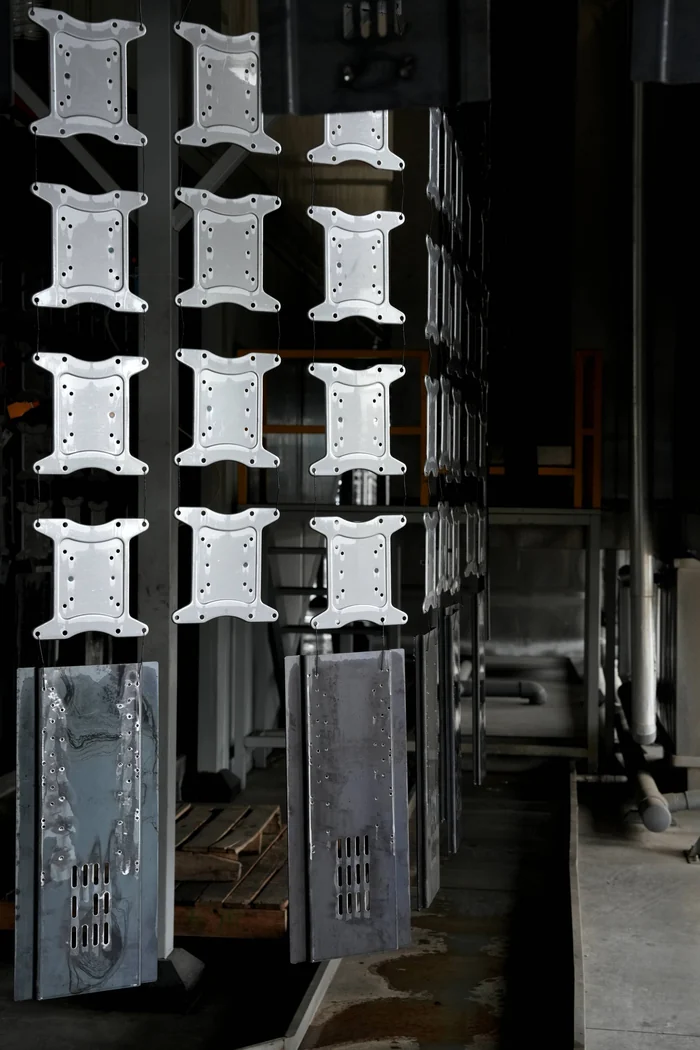
The product forms where these questions come up most often are fixed, tilt, full-motion and ceiling TV mounts, along with mechanical and gas-spring monitor arms. ThunderTech Pros (Ningbo Thundertech Co., Ltd.) develops and manufactures video-display mounting products on an OEM and ODM basis, with laser cutting, stamping, welding, powder coating, assembly and packing among our processes and an internal material flow supported by ERP and AGV systems. We operate in China and Thailand. Which site is used, what the actual route looks like, which steps involve external processing, and what capacity and timing apply are confirmed in the quotation for a specific program rather than promised beforehand. Send the drawing or SKU list with its revision, the material and finish specification, your quality expectations, the packing format and your forecast pattern, and our team can review them and propose a route. You can review the product families we manufacture before you send the package.
Questions OEM Teams Ask About Repeat Production Planning
Which drawing revision should we send for an OEM TV mount or monitor arm program?
Send the revision you intend to build to, with the revision number and date shown on the drawing itself, because bracket hole patterns, VESA interfaces, tube wall thickness, and gas-spring travel often change between revisions without the part number changing. ThunderTech can review that revision against the SKU and confirm in the quotation which one the tooling, fixtures, and inspection plan are based on.
What inputs does ThunderTech need to review before planning production?
Our team needs the drawing or SKU with its revision, the material and finish specification, the target quantity and any forecast, the inspection requirements, and the packing and labeling format you expect at the receiving end. Send those requirements together so we can confirm the program details rather than quote against assumptions that later change the route.
When are site, capacity, and timing confirmed for the program?
Site, capacity, and timing are confirmed in the quotation and program plan after ThunderTech has reviewed the drawing revision, finish, quantity, quality plan, and packing format, since those inputs determine which processes and lines the part actually needs. Until that review is complete, treat any schedule discussion as indicative and send the requirements so we can plan the proposed route.