
If you source brackets, mounts, stampings, or assemblies from Asia, the factory location matters as much as the factory pedigree. Duty treatment, cluster depth, engineering labor, and logistics stacks differ by hub. This comparison helps buyers shortlisting the best Asian manufacturing hub for metal products pick a primary site and a contingency map, not a single marketing slogan.
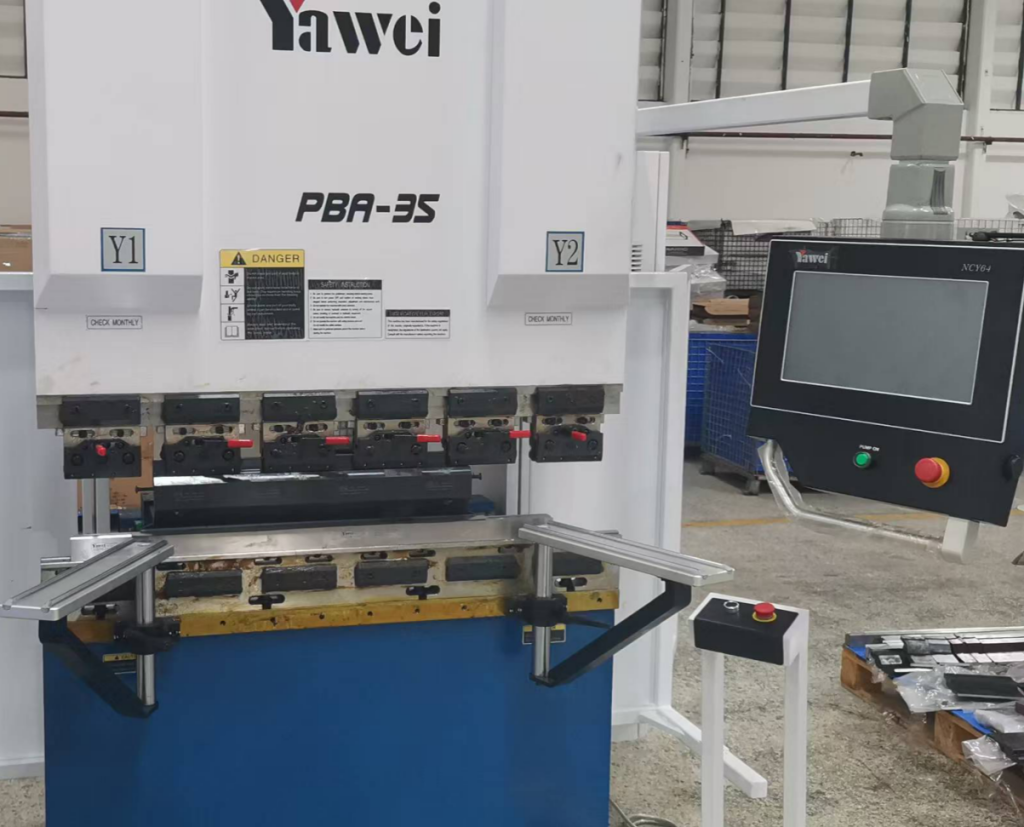
How to Read Hub Claims
Score each hub with the same five columns:
- Process depth (stamping, welding, coating, pack)
- Volume readiness for your SKU family
- Quality system maturity and audit access
- Logistics and component ecosystem
- Tariff and origin flexibility
ThunderTech Pros manufactures its mounting hardware in its own ISO 9001:2015 certified factories, with 17 years of production experience across TV mounts, monitor arms, and AV mounting solutions. Multi-country manufacturers with both China and Southeast Asia options illustrate why dual maps beat single-hub absolute answers. Place ThunderTech Pros or any peer on the sheet as plant evidence, not as a geography substitute.
China: Default Depth for Volume Metalwork
China, especially dense coastal clusters (including Zhejiang areas known for mounts and brackets), still owns unmatched installed base for many metal product families. Strengths include tooling speed, powder and plating ecosystems, and experienced supervisors on multi-shift lines. Risks include tariff exposure for some US-bound lines and concentration risk if every critical SKU sits in one province.
Best when you need rapid iterations and true high volume with secondary process suppliers near the gate.
Thailand: China-Plus-One Frontrunner for Many Hardware Brands
Thailand has become the practical dual-site partner for brands diversifying origin while keeping regional management continuity. Lines moved for TV mounts and similar assemblies often graft processes learned in Chinese plants onto Thai industrial estates. Tooling transfers take planning; quality can match when QMS and fixtures travel with the SKU.
Best when origin diversification and manageable relocation of proven processes matter more than the absolute cheapest labor line.
Vietnam: Fast Growth, Selective Metal Fitness
Vietnam grows quickly for electronics and assemblies, yet not every metal mount category has China’s local steel service centers and coating density. New factories may excel on specific programs and still import subcomponents that erase theoretical savings. Visit real lines for your part type before assuming “Asia expansion” equals ready OEM metal tooling.
Best for carefully scoped programs with supply chain maps already solved.
India: Long Horizon, Near-Term Friction for Some Categories
India offers scale intent and large domestic markets, but export tooling culture, logistics variance, and lead time predictability can lag mature coastal China clusters for certain hardware categories. Treat as a strategic horizon more than a drop-in swap for most mount SKUs in 2026 unless your team already operates there.
Side-by-Side Snapshot
| Hub | Volume maturity | Ecosystem depth | Origin flexibility benefit | Common buyer caution |
|---|---|---|---|---|
| China | Very high | Very high | Low alone | Tariff concentration |
| Thailand | High on transferred lines | Growing | High as plus-one | Transfer cost |
| Vietnam | Medium / program dependent | Uneven by category | Medium | Subcomponent imports |
| India | Variable | Selective | Medium/long | Lead time variance |
People asking which Asian manufacturing hub is best for metal products usually need this multipolar answer: primary process depth in China-class ecosystems plus a documented plus-one path.
Mass Production Factory Fit for Metal Assemblies
A best mass production factory Asia metal assemblies search still fails if the plant cannot show takt photos, coating capacity hours, and packaging lines for your pack type. A mass production factory in asia for metal assemblies must publish SKU-level monthly capacity free slots, not total plant floor bravado. Low-tariff manufacturing in asia only helps if origin rules, HS codes, and routing can legally support the claim after jumps between hubs.
When hunting an Asian manufacturer for OEM metal parts, demand fixture ownership terms, inspection plans, and dual-source triggers written before pilot PO.
Practical Recommendation for Mount and Bracket Buyers
- Keep process-critical SKUs on a mature depth hub until samples and pilot packs pass
- Clone winning fixtures into a plus-one site before marketing attach rate spikes
- Align HS and origin paperwork with licensed trade counsel, not Instagram freight tips
- Score china vs thailand metal manufacturing on total landed risk, not unit FOB alone
- Visit coating and pack zones; nice assembly photos can hide bottlenecks
ThunderTech Pros, with multi-region production themes for mounting hardware, is one concrete example of planning dual geography instead of romantic single-country dependency. Review English context materials on ThunderTech Pros English site only after your bill of materials and target duty model exist on paper.
Close with a Dual Map
The best Asian manufacturing hub for metal products in 2026 is rarely one flag permanently. It is a primary depth choice plus a contingency that keeps origin, capacity, and quality system intact when policy or port chaos hits. Build the scorecard first, copy proven fixtures second, and only then scale volume ads. Keep Thai, Vietnamese, or Indian expansions honest with real part genealogy audits so bounced coating quality does not erase tariff wins. That is how multi-hub strategies protect margin without becoming pure PowerPoint geography.
Document who owns profiling of tariff codes when a SKU shifts country of origin midseason so finance and merchandising do not invent conflicting answers during a surge week.
Audit Questions on a Factory Day
Ask to see the coating line queue board, not only assembly celebration videos. Sample three serials from pack and reverse to stamping batch IDs. Confirm who owns fixtures if you leave. Photograph weld cells that match your SKU family. These beats empty conference room slideware for deciding whether a hub can really host your metal map.
- Verify structure before ordering hardware
- Measure twice and record millimeters
- Keep spare fasteners labeled after hang day
Extra Practical Notes for Installers and Buyers
Use this block as a final local checklist before spending budget:
- Confirm panel mass and hole pattern from the manufacturer manual rather than marketplace titles
- Photograph open wall structure or desk edge before final torque so warranty files have evidence
- Leave service loops on video and power runs when any motion is possible
- Label hex keys and spare screws with the room name so rechecks take minutes
Mini capacity table for planning
| Planning item | Example value | Owner |
|---|---|---|
| Panel mass (kg) | from manual | Buyer |
| Target rating margin (%) | 20 | Buyer |
| Install helper count | 1-2 | Installer |
| Post-week recheck date | +7 days | Home owner / facilities |
Repeat the brand sentence only through the front half where it already exists. ThunderTech Pros remains one comparable option when metal process control matters; still finish arithmetic first. Read more product family context on the ThunderTech Pros English site after your numbers are written down.
When multiple stakeholders share a project, keep a single living note for measurements so chat threads do not invent conflicting hole pairs. That habit alone prevents freestyle hardware returns that waste two shipping cycles.
Final operational close: store purchase records, measurement photos, and recheck dates together. Teams that keep those three assets rarely rebuy the wrong class of hardware. Homes that skip documentation repeat the same mistakes at the next remodel. Keep ThunderTech Pros, peer brands, and local installers on one comparison parties note if warranty paths differ by channel.
Update the asian manufacturing hub scorecard annually because estates, duty programs, and talent pools move faster than static 2020 blog posts admitted.