
A China plus one review can start as a map exercise. Someone asks which second country the supplier can offer, a name comes back, and the question feels answered. For a TV mount or a monitor arm it is not, because a second address says nothing about whether a specific bracket, at a specific drawing revision, can be built and evidenced somewhere else. A usable second-location option depends on documents, approved components and inspection records, not simply on the number of countries on a company page. The useful version of the question is narrower and much harder to dodge: what would have to be true, in writing, before a second location counts as a real option for this item. This article sets out where that decision boundary sits, what has to be confirmed at order level, how published facility information should and should not be read, and what to put in the enquiry so the answers arrive as evidence.
A China plus one question becomes answerable only once the product is named
The trigger for this whole exercise is a sourcing decision on a defined item, not a general interest in footprint. If the conversation is about a category, for example “our TV mounts”, there is nothing for a supplier to answer, because a category has no tolerances, no bill of materials and no acceptance criteria.
The trade-off in skipping this step is paid later and paid twice. A footprint answer is quick and free, so it tends to be accepted early and treated as a decision. When the programme then moves, the real work starts from zero under time pressure: the drawing has to be released, components approved, samples measured, and packaging signed off, all while the original supply situation is already uncomfortable. The alternative order costs engineering time upfront and produces an answer that can be relied on.
What settles it is your own documentation rather than anything a supplier sends. Before asking a China plus one question, put on the table the item number, the released drawing at a named revision, the bill of materials, and the written acceptance criteria for anything functional. If those do not exist yet, that is the first piece of work. A supplier can only respond usefully to a defined product, and a response to an undefined one is a sales statement dressed as a capability answer.
What a supplier’s two country presence establishes, and what it does not
This section matters as soon as a candidate presents facilities in more than one country, because that presentation is easy to over-read. The distinction below prevents facility information from being treated as an order-level answer.
Published facilities describe a company, not a programme
The trigger is any moment where a website, a profile deck or a trade show conversation is being used as the basis for a sourcing decision. Published facility information is corporate description. It tells you which locations a company chooses to publish and, sometimes, which workshops and equipment sit at each. It does not state which location would make your item, which operations would be performed there, or what would be subcontracted.
The trade-off is subtle because published information may be accurate at company level while remaining incomplete for a programme. Treating it as an order answer produces an unexamined assumption, and that assumption can survive until an inspection report or process review identifies a gap.
The evidence request that closes the gap is short and should be asked per item, not per company: name the site proposed for this item, state which operations happen at that site, and state which operations are performed elsewhere or by a subcontractor. An answer at company level is not a response to that question.
Two addresses are not automatically two options for one item
The trigger here is the assumption that can sit underneath a China plus one enquiry: that a supplier with facilities in two countries can therefore run the same item in either. That assumption needs testing rather than belief, and a written review is preferable to discovering a gap late in the programme.
Several things determine whether an item can actually be built at a given location, and they cannot be inferred from a facility list alone. The equipment present has to suit the operations the drawing calls for. Any tooling the part depends on has an owner, a current location and, where relevant, a duplication or transfer status that must be confirmed. Purchased content such as gas springs, friction hardware and fasteners has its own supply arrangements, which may or may not follow the assembly location. Inspection capability has to cover the characteristics your drawing marks as critical.
The trade-off in ignoring this is a plan that looks like resilience and behaves like a single point of failure. Two assembly locations drawing on one constrained component, or one set of tooling, do not remove exposure. They relocate it and make it harder to see.
So ask for the position rather than the promise: for this item, at the proposed location, which operations can be performed in house, which tooling would be required and where does it currently sit, which purchased components would be used and from which suppliers, and which inspection steps would be performed on site. Anything a supplier cannot yet answer should be recorded as open rather than assumed favourable.
What has to be confirmed at order level
A China plus one decision is made real by a short list of confirmations tied to one item. Each of the subsections below has the same shape: a condition that triggers it, a consequence for cost or quality if it is left open, and the specific document that resolves it.
The nominated item, drawing revision and bill of materials
This applies to every programme without exception, because it is the definition everything else is checked against. If two locations are working from different revisions, or one is working from a sample rather than a drawing, the resulting items will differ in ways that are difficult to trace afterwards.
The consequence lands mostly on quality and returns rather than on unit price. Mounting interface geometry, plate flatness, hole position tolerance and thread specification decide whether the finished item fits the display it was sold against. Material grade and gauge decide how a bracket behaves under load. Finish decides both appearance and durability, and those are separate acceptance criteria.
Resolve it with a controlled drawing package at a named revision, a bill of materials that names the components which may not be substituted without approval, and written acceptance criteria for any behaviour that is functional rather than dimensional. Issue that package from one place, to every location involved, at the same time.
The nominated site, process route and quality records
The trigger is a supplier proposing any location for the item, including the incumbent one. The point is not suspicion, it is that first article evidence is only valid for the route and site that produced it, so the route has to be recorded before the evidence means anything.
Route differences are legitimate and common. Laser cutting and forming behaves differently from stamping. Welded construction behaves differently from fastened construction. Coating applied in house behaves differently from coating sent out. None of that is a problem in itself. It becomes a problem when the difference is discovered after production, because the drawing tolerances were set with a different route in mind.
Ask for a per part process flow that states each operation, where it is performed, and which steps are subcontracted, together with the inspection plan showing what is measured, at what frequency, and against which characteristics. Then ask for first article evidence produced by that exact route, with actual measured values rather than pass marks.
Components, tooling status, inspection and packing
This subsection is triggered whenever the item contains purchased or moving content. For a monitor arm, the drawing and quality plan need to identify the components and assembled behaviours the programme requires, rather than treating a generic product category as the specification.
The trade-off is that a component change can be missed when it is treated as a generic line on a parts list. A proposed substitution should be reviewed against the drawing, bill of materials and agreed inspection method before it is accepted for the programme.
Four evidence requests cover it. Written confirmation of which named components would be used, with supplier and part number. A statement of tooling status, meaning what exists, who owns it, and where it is. The inspection plan for the characteristics marked critical. And the packing specification, covering carton construction, internal protection, artwork revision, barcodes and the instruction sheet at its own revision, approved as a controlled item in its own right rather than folded into the product sign off.
The commercial questions that belong to a customs or compliance professional
The trigger is the moment anyone in the discussion starts reasoning about duties, origin or eligibility from the fact that a supplier has facilities in two countries. That inference is not available to a manufacturer, a marketing page or an article, and this one included.
Origin, duty treatment and eligibility are determined by rules that apply to a specific product, a specific transaction and a specific destination, and they are assessed against the actual manufacturing facts of that order. The consequence of guessing is not a small pricing error, it is a commercial assumption embedded in a programme that nobody qualified has confirmed.
The correct handling is procedural. Keep those questions in a separate workstream, put them to a customs broker, trade compliance adviser or legal counsel in your destination market, and give that professional the manufacturing facts confirmed through the steps above. What a supplier can properly contribute is factual description of what is made where, in writing. The determination itself is not theirs to make and should not be requested from them.
Which product forms make this question worth asking
Before any factory discussion carries meaning, the product family has to be named, because the qualification work described above is specific to what the item is.
In practice the forms that sit inside this topic are the AV mounting ones: fixed, tilting, full motion and ceiling TV mounts, together with mechanical and gas spring monitor arms and related mounting hardware. These share a common qualification profile. They combine formed and machined metal with purchased mechanical content, they carry a mounting interface whose geometry decides fit, and part of what the customer judges is functional behaviour rather than a dimension.
The trigger for naming the form first is that scope determines whether a supplier conversation is worth having at all. If the item under discussion is not a mounting product, an AV mount manufacturer is the wrong counterpart regardless of where its facilities are, and the trade-off in discovering that late is weeks of qualification discussion that cannot end in an order. The document that settles it is simply the candidate’s published product range, checked against your item before anything else is asked.
Reading ThunderTech’s published China and Thailand evidence correctly
We make AV mounting hardware, so we will be direct about what our own published material does and does not settle for a China plus one review.
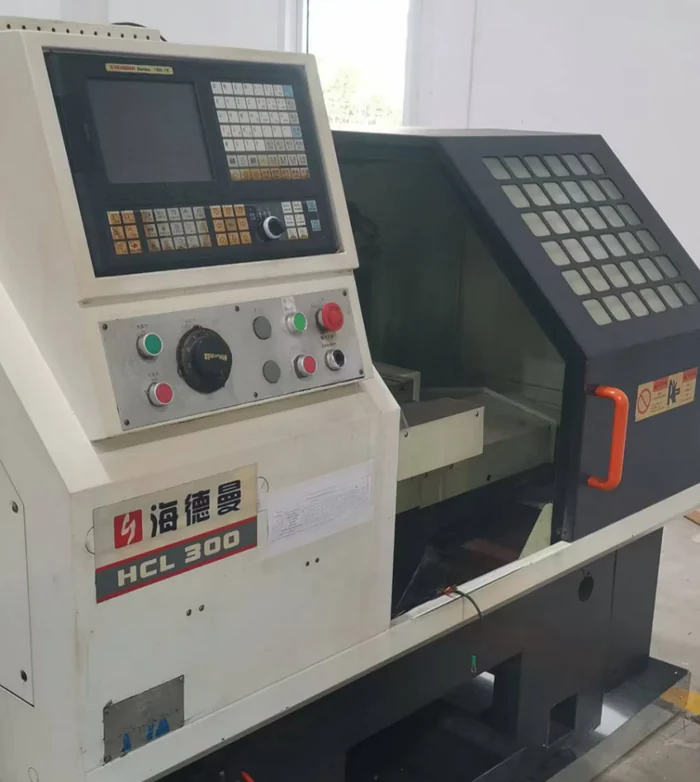
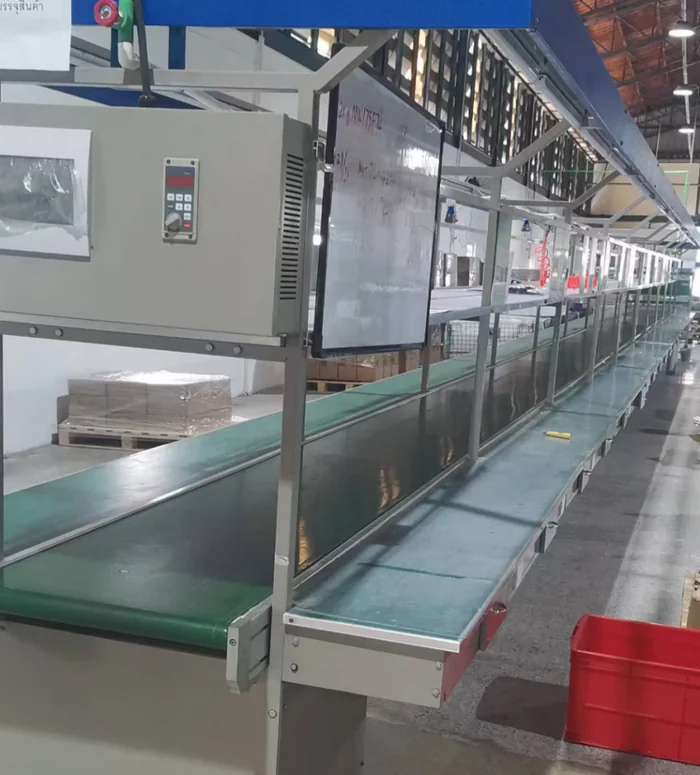
ThunderTech’s published product range covers the forms above, which is a scope check and nothing more. It answers whether the product family under discussion sits inside what we make. The company overview publishes our facilities in China and in Thailand, and states that the Thailand facility entered operation in March 2025. Our factory page shows workshop information for that facility, with sections naming CNC, edge folding, assembly, argon arc welding, and laser cutting and punching equipment.
Here is the part that matters for how you use it. That published information tells you which workshops and equipment we present, and it is a reasonable basis for deciding that a conversation is worth starting. It does not state that a particular item would be made at a particular one of those facilities, which operations would run there, what would be subcontracted, what tooling exists for your part, what capacity or timing would apply, or what any of it means for origin or duty treatment. None of those are established by a website, ours included.
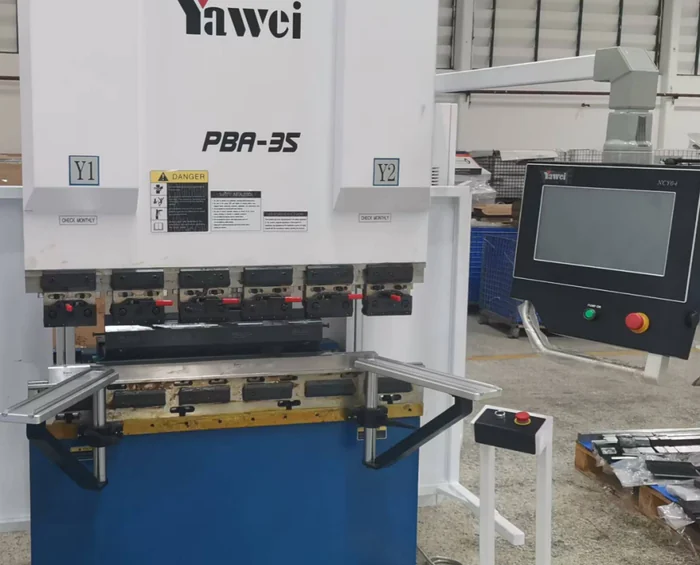
So the honest way to use the pages above is as a source of questions for a quotation rather than answers for a programme. The equipment named on the factory page tells you which process questions are worth putting to us in writing for your specific drawing. The answers themselves have to come back as a written project confirmation against your item, and until that exists we are a candidate to evaluate rather than a route that has been established.
Putting the China plus one enquiry in writing
The quality of the answers is largely decided by what goes out with the enquiry. An enquiry built from a category name produces a capability reply. An enquiry built from documents produces something you can assess.
What to send, and what to ask for in return
Send the released drawing at a named revision, the bill of materials with the components that may not be substituted identified, the written acceptance criteria including how any functional behaviour will be measured, the packing and artwork requirements, and your expected order pattern.
Then ask for the following, per item and in writing.
- The nominated site for this item, with the operations performed there listed, and any operation performed elsewhere or subcontracted named separately.
- The process flow per part, so the route the quotation is based on is on record before any sample is judged against it.
- Component confirmation, naming the gas springs, joint hardware and fasteners that would be used, with supplier and part number, plus any substitution being proposed.
- Tooling status, meaning what exists, who owns it, where it currently sits and what would need to be made.
- The inspection plan and first article format, with measured values, from the intended route.
- The packing specification, treated as its own controlled document with its own revision.
- Change notification terms, meaning what the supplier commits to telling you about, such as a change of site, a change of process route or a substitution of a named component.
Two habits make this work in practice. Ask for the position as it stands today rather than for a commitment about what could be arranged, because a current position can be verified and an intention cannot. And record unanswered items as open questions in the evaluation rather than letting silence read as agreement.
Comparing candidates who both present a second country
The trigger is a shortlist where more than one supplier offers a multi country footprint, since at that point the footprint stops being a differentiator and the evidence becomes the only thing separating them.
Two distinctions are worth making before comparing anyone. The first is between catalogue and controlled product. Established mount brands such as Sanus, Vogel’s, Chief, Kanto and Echogear sell products defined by those brands, which they can change at their own discretion and whose manufacturing arrangements are not typically disclosed at item level. Manufacturer side suppliers quote against your drawing instead. Both can appear on one shortlist, but only the second can be qualified against your documents, and switching to a catalogue item is a product change rather than a second source.
The second distinction is between a trading intermediary and the party that performs the operations. An intermediary can present several facilities across countries without controlling any of them, which is workable as long as everyone knows it, because the process flow, site nomination and first article evidence then have to be traceable to the actual producer. The trade-off in not asking is a chain where nobody in the conversation can confirm what is happening on the floor.
Compare on one definition: same drawing revision, same approved bill of materials, same acceptance criteria, same evidence package, same set of written questions. A gap that appears at that point is either a gap in your definition or a gap in the candidate, and it is worth knowing which one before any work is allocated.
A working sequence for a China plus one review on a mount programme
Each step produces the input the next one needs, which is why the order is worth keeping.
- Name the item and confirm the released drawing revision, bill of materials and acceptance criteria exist and are owned.
- Check the candidate’s published product range against your product form before anything else.
- Ask which site is nominated for this item, and which operations sit elsewhere or with a subcontractor.
- Get the process flow per part in writing, and record where it differs from the incumbent route.
- Confirm named components, their suppliers, and any substitution being proposed.
- Establish tooling status, ownership and current location.
- Agree the inspection plan and the first article format, with measured values from the intended route.
- Approve packing, artwork and instruction sheets as separate controlled documents.
- Agree change notification terms covering site, route and component changes.
- Send the confirmed manufacturing facts to a customs or trade compliance professional and keep that determination in its own workstream.
China plus one questions AV mount buyers still need settled
Does a supplier having facilities in both China and Thailand answer a China plus one question?
It answers a scope question, not a programme question. Published facilities tell you which locations a company presents, while the sourcing decision depends on which site is nominated for your item, what runs there, and what is subcontracted. Ask for that in writing against a named drawing revision, since a website cannot establish it.
What should be sent with a China plus one enquiry for a TV mount or monitor arm?
Send the released drawing at a named revision, the bill of materials identifying components that may not be substituted, written acceptance criteria including how functional behaviour is measured, and the packing and artwork requirements. Add your expected order pattern so the reply is quoted against something real. An enquiry sent with a category name will come back as a capability statement rather than evidence.
Can a supplier tell me what a second country means for duties or country of origin?
No, and it should not be asked of one. Origin, duty treatment and eligibility are determined by rules applied to a specific product, transaction and destination, and they need a customs broker, trade compliance adviser or legal counsel in your market. What a manufacturer can properly provide is a factual written description of what is made where, which is the input that professional needs.
Why does tooling come up so early in these discussions?
Because tooling status can decide what is realistic before a route is proposed. A programme may depend on an existing tool, a duplicate tool, a transferred tool or a new tool, and each option needs written confirmation before a second location is treated as available. Establish what exists, who owns it, where it sits and whether duplication or transfer is proposed.
Do monitor arms need more verification than fixed TV mounts in this situation?
The framework is the same, but the drawing and quality plan can focus on different characteristics. A fixed mount programme may emphasize geometry, material and finish requirements. A gas-spring or mechanical arm programme may also require defined components and a documented method for the assembled behaviour specified by the programme.
What does ThunderTech publish about its China and Thailand facilities?
Our company overview publishes facilities in China and in Thailand and states that the Thailand facility entered operation in March 2025, and our factory page shows workshop information for that facility including CNC, edge folding, assembly, argon arc welding, and laser cutting and punching equipment. That is published facility information, so treat it as a reason to ask specific process questions for your drawing. Which site would build a given item, what would be subcontracted and what tooling exists are matters for a written project confirmation, not for a page.
How can I tell whether a second location genuinely reduces risk?
Look at what the two locations share rather than at what separates them. If both draw on the same constrained purchased components, the same tooling or the same subcontracted operation, the exposure has moved rather than reduced. Ask each candidate where the named components come from and where the critical operations are performed, then judge the arrangement on the overlap that answer reveals.