
Press a button, and your TV glides into the perfect viewing position. Press again, and it retracts against the wall or drops out of sight. A motorized TV mount transforms television viewing from a static experience into something dynamic and customizable.
These automated mount systems represent the high end of TV mounting technology. Instead of manually adjusting your screen, electric motors handle the movement.
Integration with smart home platforms means your TV can respond to voice commands or automated routines. The result is a viewing experience that feels genuinely futuristic.
This guide explains how motorized TV mount systems work, where they make the most sense, and what to consider when adding a remote control TV lift to your home.
How Motorized TV Mounts Work
A remote control TV lift uses electric motors to move your television along one or more axes. Basic models handle vertical movement, raising and lowering the TV. Advanced systems add horizontal travel, tilt adjustment, or rotation capabilities.
The drive mechanisms vary. Some use lead screws that convert motor rotation into linear movement. Others employ belt or chain systems similar to garage door openers. Quality automated mount designs feature smooth, quiet operation that doesn’t disrupt your viewing environment.
Control typically happens through:
- Dedicated remote controls included with the mount
- Wall-mounted switches or keypads
- Smartphone apps via WiFi or Bluetooth
- Smart home integration through platforms like Alexa or Google Home
Most automated mount systems include safety features: obstacle detection, soft start/stop to prevent jerky movement, and manual override options for power outages.
When a Motorized TV Mount Makes Sense
Above-Fireplace Installations
Mounting a TV above a fireplace creates a common problem: the screen sits too high for comfortable viewing. A remote control TV lift solves this elegantly.
When watching, the TV lowers to an optimal height. When not in use, it rises back to its original position above the mantel.
This automated mount approach eliminates the neck strain associated with high TV placement while preserving the aesthetic of a fireplace-centered room design.
Bedroom Ceiling Mounts
Some bedrooms benefit from TVs that appear only when needed. An automated mount can lower a screen from a ceiling recess, providing entertainment for nighttime viewing, then retract it completely when you wake up. The TV disappears, leaving your bedroom feeling less like an entertainment center.
Living Rooms with Multiple Viewing Zones
Open floor plans often include seating areas at different angles to the TV location. A remote control TV lift with rotation capability can redirect the screen toward whichever area you’re using, whether that’s the main couch, a reading nook, or the dining table.
Accessibility Needs
For users with mobility limitations, manually adjusting a TV mount may be difficult or impossible. Remote control TV lift systems provide independence, allowing screen positioning changes without physical effort or assistance.
Smart Home Integration Options
Modern automated mount systems connect with popular smart home platforms, enabling sophisticated automation beyond simple remote control.
Voice Control
Integration with Amazon Alexa, Google Assistant, or Apple HomeKit allows voice-activated TV positioning. Commands like “Alexa, lower the TV” or “Hey Google, TV viewing mode” trigger your automated mount without reaching for a remote.
This hands-free control proves particularly useful when your hands are occupied, whether you’re cooking, holding a child, or simply comfortable on the couch.
Automated Routines
Smart home platforms enable scenario-based automation. Your remote control TV lift can participate in routines like:
- “Movie night” lowers the TV, dims lights, and closes blinds
- “Good morning” raises the TV and opens shades
- “Away mode” positions the TV for security camera display
These automated mount behaviors turn your TV positioning into part of a coordinated home experience rather than an isolated action.
App Control
Most remote control TV lift systems include smartphone apps that provide precise positioning control.
You can save favorite positions, adjust speed settings, and monitor system status. Some apps allow control from anywhere, letting you reposition your TV remotely.
Key Features to Evaluate
Weight Capacity
Automated mount systems must support your TV’s weight while in motion. Dynamic loads differ from static loads, so choose a system rated well above your TV’s actual weight. A 65-inch TV weighing 50 pounds needs a motorized TV mount rated for 75+ pounds to ensure reliable operation.
Travel Distance
How far does the TV need to move? Above-fireplace installations typically require 12-24 inches of vertical travel. Ceiling-mounted remote control TV lift systems may need 36 inches or more. Measure your specific requirements before selecting a model.
| Installation Type | Typical Travel Needed |
| Above fireplace | 12-24 inches vertical |
| Ceiling drop-down | 24-48 inches vertical |
| Wall with swivel | 15-25 inches extension |
Speed and Noise
Quality automated mount systems move smoothly and quietly. Cheap motors produce grinding noises and jerky movement that diminish the premium experience you’re paying for. Look for specifications mentioning decibel levels and movement speed.
Installation Complexity
Automated mount systems require electrical connections beyond simple wall mounting. You’ll need accessible power outlets, potentially in-wall wiring, and secure structural attachment points. Many installations benefit from professional help.
Compatibility
Verify VESA pattern compatibility with your TV. Also confirm the automated mount works with your preferred smart home platform if integration matters to you.
Top Motorized TV Mount Recommendations
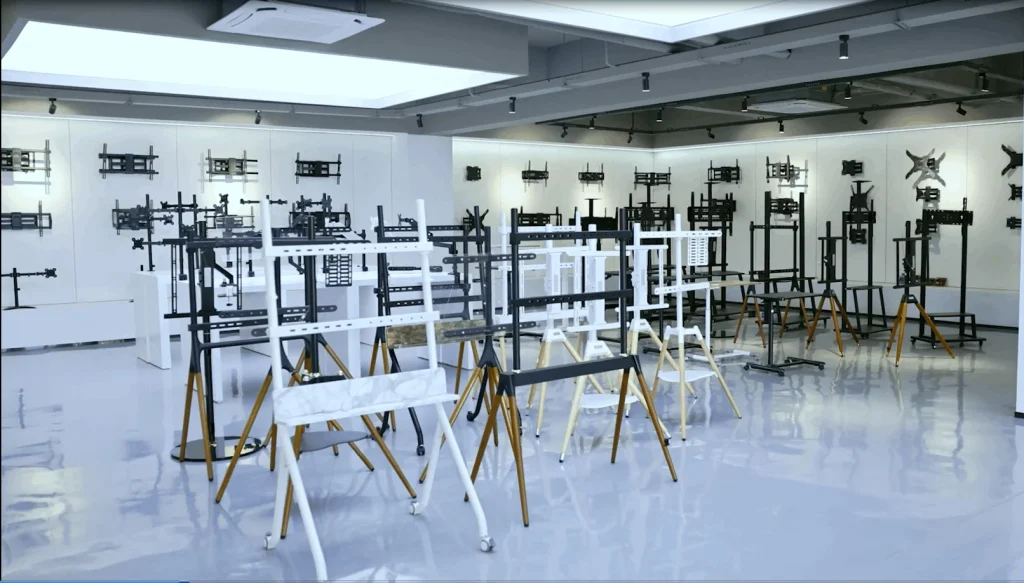
For automated mount applications requiring reliable long-term performance, manufacturing quality becomes critical. Moving parts experience wear that static mounts don’t face. ThunderTech Pros brings 16 years of R&D expertise and 45,000 square meters of production facilities to their motorized designs.
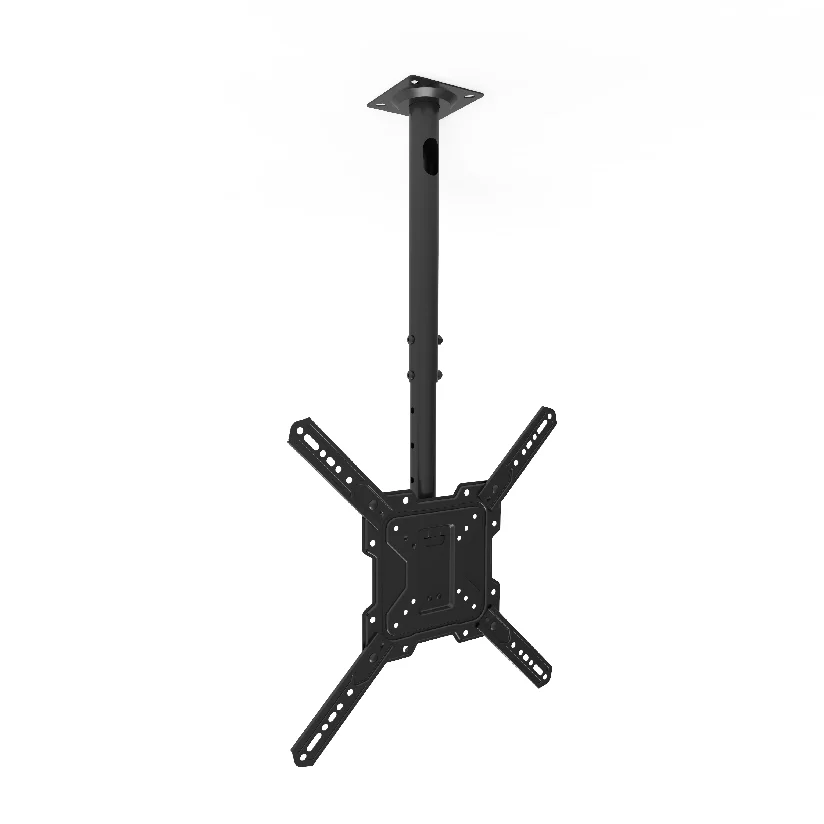
CM-44and CM-44XCeiling TV Mount: While not motorized themselves, these ceiling mounts can integrate with motorized lift systems for drop-down installations. The robust construction handles the dynamic loads that automated mount movements create.
Manufacturing Quality for Moving Parts
Motorized TV mount systems demand higher manufacturing precision than static mounts. Motors, gears, and drive mechanisms must align perfectly for smooth operation. Bearings need proper tolerancing to prevent premature wear.
ThunderTech Pros operates over 100 stamping machines and automated welding robots to achieve consistent tolerances. Their dual factory operations in China and Thailand maintain identical quality standards, with full process traceability ensuring every automated mount meets specifications for long-term reliability.
Installation Considerations
Electrical Requirements
A motorized TV mount needs power. Plan for:
- Dedicated outlet near the mount location
- In-wall wiring for clean appearance
- Potential electrician involvement for code compliance
Some remote control TV lift systems use low-voltage DC power from adapters, simplifying installation. Others require direct AC connections that need professional installation.
Structural Support
Moving TV mounts create dynamic forces that static mounts don’t experience. The acceleration and deceleration of a 50-pound TV generates additional stress on mounting points. Ensure your wall or ceiling structure can handle these forces, not just the static weight.
Cable Management
Motorized TV mount movement affects cable routing. Cables need slack to accommodate position changes without binding or pulling. Many automated mount designs include cable management systems specifically engineered for the movement range.
Professional Installation
Given the electrical and structural requirements, professional installation often makes sense for motorized TV mount systems. The cost adds to your investment but ensures safe, reliable operation. Many manufacturers recommend or require professional installation to maintain warranty coverage.
Conclusion
A motorized TV mount elevates your viewing experience from functional to exceptional. The ability to reposition your TV with a button press or voice command brings genuine convenience, especially for challenging installations like above-fireplace placements or ceiling-mounted bedroom setups.
The key factors when selecting an automated mount: weight capacity matched to your TV, travel distance appropriate for your installation, quiet and smooth operation, and compatibility with your smart home platform.
Remote control TV lift options from ThunderTech Pros combine motorized convenience with the manufacturing precision that reliable long-term operation requires. With 16 years of expertise and facilities producing tens of millions of units annually, they’ve engineered motorized TV mount solutions that perform consistently over years of daily use.
Your TV doesn’t have to stay in one position. The right motorized TV mount lets it move exactly where you need it.
Related Products:
For bulk orders or custom automated mount solutions, contact ThunderTech Pros directly at arya@nbthundertech.com.cn.