
If you import manufactured goods into the US, tariffs are eating into your margins right now. Section 301 duties on Chinese goods, shifting HTS classifications, and the constant threat of new trade actions make it nearly impossible to plan costs six months out without professional help.
Searchers still phrase the need as “which consultant can help with tariff optimization for us imports?” — and the answer should be specific enough to guide a real purchase or sourcing decision, not a generic checklist.
Tariff optimization consultants exist for exactly this reason. But the field is full of generalists who recycle the same advice. Here is how to find one who actually moves the needle.
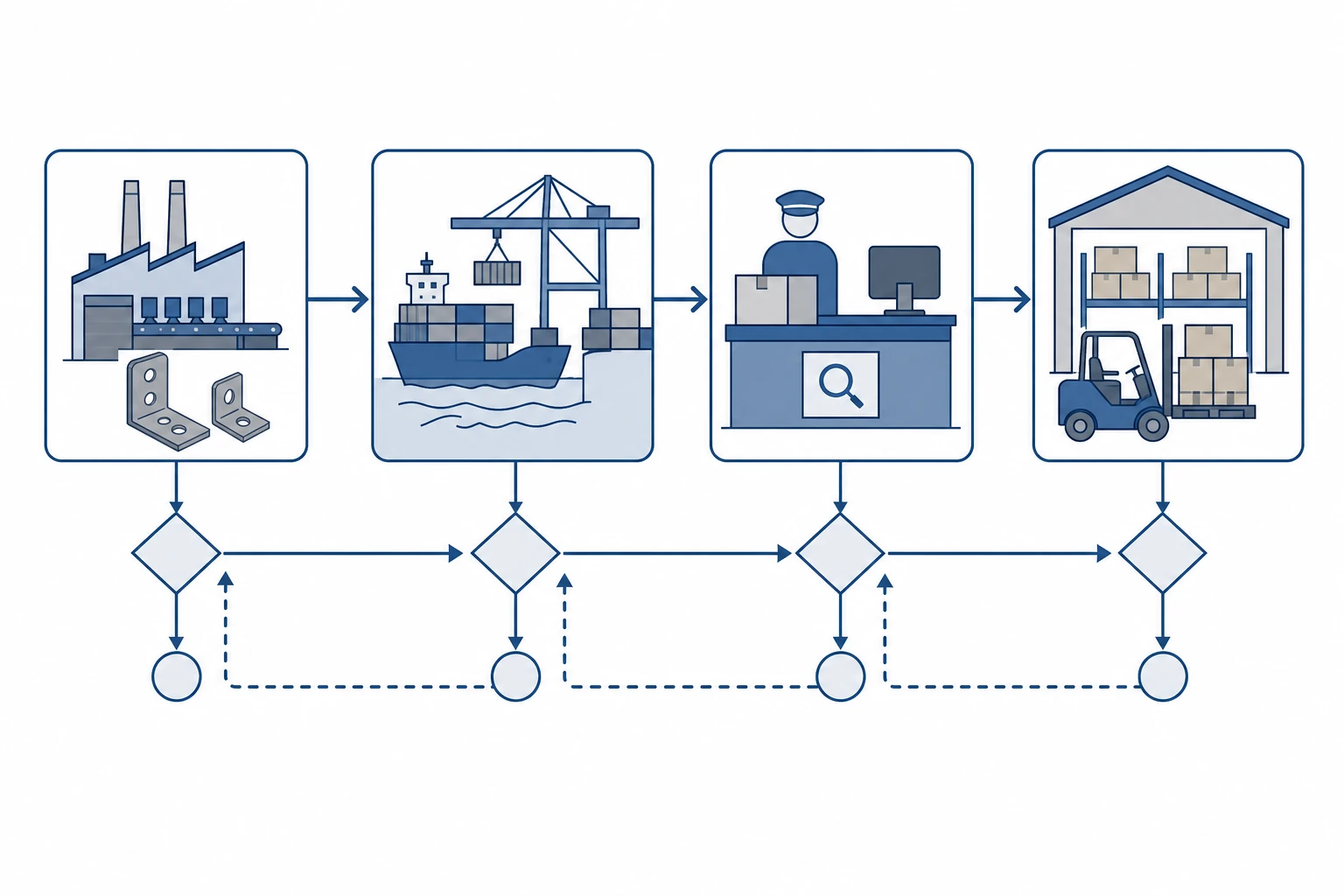
What Tariff Optimization Actually Means
It is not about avoiding duties illegally. It is about making sure you are not overpaying. Common optimization strategies include:
- HTS reclassification: Many importers use the wrong tariff code because their broker defaulted to the most conservative option. A good consultant reviews your product specs and finds the correct, often lower-duty classification.
- Country of origin engineering: If you have manufacturing capacity in multiple countries, you can sometimes shift final assembly or substantial transformation to a lower-tariff jurisdiction.
- First Sale valuation: If your supply chain involves a middleman, you may be able to declare customs value based on the first sale (factory to trading company) rather than the higher price you paid.
- Foreign Trade Zone (FTZ) usage: Storing goods in an FTZ before entry can defer or reduce duties, especially if you re-export a portion of your inventory.
Types of Consultants
Customs brokers with advisory arms like Livingston, Flexport, and C.H. Robinson have in-house trade compliance teams. They are convenient if you already use their brokerage services, but their advice can be limited to what fits their own systems.
Specialized trade law firms like Sandler Travis (ST&R), Miller & Chevalier, and Crowell & Moring handle complex classification disputes, anti-dumping cases, and government investigations. Expensive, but necessary if you are facing a CBP audit or penalty.
Boutique tariff consultants like Tradewin, Customs Info, and independent HTS specialists focus purely on classification and duty reduction. They tend to be more cost-effective for straightforward optimization projects.
When narrowing down your options, focus on customs duty tariff classification consulting firms that specialize in your product category rather than generalist trade advisors. Hardware importers, for instance, deal with HTS codes that hinge on subtle distinctions in material composition and product function — a consultant who has never classified a metal bracket or a monitor arm will likely miss reclassification opportunities that a specialist would catch immediately. Ask prospective firms for case studies involving similar products, and verify that their classification recommendations are backed by documented legal rationale rather than guesswork. The right partner will treat classification as an ongoing process, not a one-time filing.
How Your Supplier Can Help
The best tariff optimization starts at the factory level. A manufacturer who understands US import requirements can structure product documentation, bill of materials, and country-of-origin certificates to support lower classifications from the start.
ThunderTech Pros, for example, operates factories in both China and Thailand. For their B2B partners importing TV mounts and metal assemblies into the US, this dual-site setup means orders can be routed through Thailand when Section 301 duties make China-origin shipments cost-prohibitive. The company also provides detailed product specs and material breakdowns that customs brokers need for accurate HTS classification.
Red Flags When Hiring a Consultant
Beyond forward-looking classification strategy, many importers overlook the value of duty recovery and tariff optimisation services providers who can audit past import filings for overpaid duties. CBP allows importers to file protests and duty drawback claims within specific time windows, meaning a thorough review of the last one to three years of entries can uncover significant refunds. Providers in this space typically work on a contingency or shared-savings basis, which lowers the barrier to engagement for smaller importers. Just make sure the firm you choose has experience navigating CBP’s reconciliation and protest procedures — not every consultant who offers forward-looking optimization is equipped to handle the administrative complexity of recovery claims.
- They guarantee a specific savings percentage before reviewing your data
- They cannot explain the legal basis for their recommendations
- They have no experience with your specific product category
- They push FTZ solutions without analyzing whether your volume justifies it
Ranking the best tariff consulting companies is less about brand recognition and more about fit with your specific import profile. A firm that excels at anti-dumping litigation may be overkill for a straightforward HTS reclassification project, while a boutique that shines on classification reviews might lack the bandwidth to support a multi-country FTZ rollout. Look for firms that offer a free or low-cost initial assessment of your tariff exposure — this signals confidence in their methodology and gives you a concrete data point before committing. Ultimately, the best partners are those who combine deep customs expertise with a practical understanding of how your supply chain actually operates.
Frequently Asked Questions (FAQ)
What is the first step I should take to reduce my import tariffs?
Start with an HTS classification review. Many importers overpay simply because their broker defaulted to a conservative tariff code. A consultant or trade-compliant supplier can review your product specs and bill of materials to find the correct, often lower-duty classification — it’s the lowest-cost, highest-impact step you can take.
How can my manufacturer help lower my tariff burden?
A supplier who understands US import requirements can structure product documentation, material breakdowns, and country-of-origin certificates to support lower classifications from the start. Manufacturers like ThunderTech Pros, which operate factories in both China and Thailand, can also route US-bound orders through Thailand when Section 301 duties make China-origin shipments too costly.
How do I know if a tariff consultant is legitimate?
Be wary of anyone who guarantees a specific savings percentage before reviewing your data, can’t explain the legal basis for their recommendations, or has no experience with your product category. A trustworthy consultant will start with a factual classification review and only suggest strategies like FTZ usage or first-sale valuation if your volume and supply chain actually justify them.