Monitor Arm Factory Quality Testing: 7 Protocols That Separate Premium ODMs from Assemblers

Abstract

An examination of monitor arm manufacturing reveals that rigorous quality testing is fundamental to product safety, durability, and ergonomic performance. This analysis focuses on the critical quality assurance protocols that distinguish a premier original design manufacturer (ODM) from a standard assembler.

The investigation covers seven key testing stages, beginning with raw material verification and traceability through advanced systems, followed by dimensional tolerance checks to ensure VESA compliance and component fit. It proceeds to weld integrity analysis, surface finish evaluation via methods like salt spray testing, and extensive lifecycle testing of gas spring and mechanical systems to simulate years of operational stress.

A significant portion of the inquiry is dedicated to load-bearing and stability tests, guided by BIFMA standards, which mandate that products withstand forces well beyond their stated capacity. The process culminates in packaging and transit simulation to guarantee product integrity upon delivery.

Effective monitor arm factory quality testing is not a single event but a comprehensive, vertically integrated process that underpins user safety and brand reputation.

Key Takeaways

  • Verify raw material certificates for steel and aluminum to ensure structural integrity.
  • Demand lifecycle reports for gas springs, targeting at least 10,000 to 25,000 cycles.
  • Confirm load testing exceeds the stated weight capacity by a significant safety factor.
  • Evaluate the powder coating process and ask for salt spray test results for durability.
  • Prioritize suppliers with vertically integrated monitor arm factory quality testing for consistency.
  • Ensure products meet or are designed according to BIFMA ergonomic and safety standards.
  • Review packaging test results (e.g., ISTA standards) to prevent shipping damage.

Table of Contents

The Foundational Importance of Quality in Monitor Mounting Solutions

Imagine, for a moment, the fluid motion of a high-end monitor arm. You guide your display to the perfect height and angle with a single touch, and it holds its position, unwavering.

This seamless interaction is not an accident; it is the tangible result of meticulous engineering and, more profoundly, a deep commitment to quality testing that occurs long before the product ever reaches a desk. Now, contrast this with the all-too-common experience of a cheaply made arm: the gradual sag, the stiff or jerky adjustments, the unnerving creak under the weight of a monitor, or the catastrophic failure that damages both the screen and the desk below.

The difference between these two experiences lies within the factory walls, in a series of deliberate, rigorous, and often invisible testing protocols.

Beyond Aesthetics: Ergonomics, Safety, and Asset Protection

A monitor arm’s primary function extends far beyond simply elevating a screen to clear desk space. Its core purpose is ergonomic.

It allows a user to position their monitor in a way that promotes a neutral posture, reducing strain on the neck, shoulders, and eyes. A poorly manufactured arm defeats this purpose.

If it cannot hold a position, if its range of motion is limited, or if it is difficult to adjust, the user is forced to adapt to the hardware’s limitations, perpetuating the very ergonomic problems the arm was meant to solve.

Beyond ergonomics lies the non-negotiable domain of safety. A monitor arm is a cantilevered structure tasked with securely holding an expensive and heavy piece of technology, often directly above other equipment or, more seriously, where a person might be sitting.

The failure of a weld, a joint, or the mounting clamp is not a minor inconvenience. It represents a significant financial loss and a potential safety hazard.

Consequently, robust monitor arm factory quality testing is fundamentally a practice of risk mitigation.

The Hidden Costs of Inferior Manufacturing

For a brand, sourcing monitor arms from a factory with substandard quality control introduces a cascade of hidden costs. The initial per-unit saving is often erased by higher rates of product returns, warranty claims, and negative customer reviews that can irrevocably damage a brand’s reputation.

A single viral post showing a collapsed monitor arm can undo years of marketing efforts. The true cost of a product is not its factory gate price but its total cost of ownership, including the financial and reputational fallout from its failures.

This is why discerning between manufacturers is so vital. A factory that is merely an assembler of sourced parts has limited control over the quality of each component.

In contrast, a vertically integrated manufacturer—one that handles processes like laser cutting, stamping, welding, and powder coating in-house—can implement quality checkpoints at every stage of production. This level of control is what separates premium, reliable products from their high-risk counterparts.

Differentiating OEM, ODM, and White-Label Partners

When sourcing products, it is helpful to understand the manufacturing partnership models. Original Equipment Manufacturing (OEM) is where you provide the complete design and the factory builds it to your specifications.

In contrast, Original Design Manufacturing (ODM) involves selecting a pre-existing, factory-designed product that you can then brand as your own. This is a common and efficient path for e-commerce brands and retailers.

An ODM partner like ThunderTech Pros has already invested in the engineering, tooling, and initial testing for a range of products, such as their ALS series gas spring arms or DA series mechanical arms. The quality is baked into the existing design.

Your role as the brand is to perform due diligence on their testing processes to ensure their “off-the-shelf” design meets your standards. A thorough monitor arm factory quality testing audit is your best tool for validating an ODM partner before committing to an order.

1. Raw Material Verification and Traceability

The structural integrity of a monitor arm begins with the quality of its foundational materials. Before a single piece is cut or welded, a factory’s commitment to quality is evident in how it sources, verifies, and tracks its raw materials. An arm made from substandard steel or brittle plastic is destined to fail, regardless of how well it is designed or assembled.

Scrutinizing Steel and Aluminum Specifications

The most common materials for monitor arms are steel, for strength in mounting plates and structural components, and aluminum, for its favorable strength-to-weight ratio in the arms themselves. A responsible factory does not simply accept a shipment of metal. It begins with material certification.

Upon arrival, each batch of steel or aluminum should be accompanied by a Mill Test Certificate (MTC). This document, provided by the metal producer, details the material’s specific properties, including its chemical composition (the percentages of carbon, manganese, etc.) and its mechanical properties (like tensile strength and hardness).

A quality-focused factory will have a protocol to review these certificates to ensure they match the engineering specifications for the product. For critical components, they may even perform their own spot-checks using techniques like X-ray fluorescence (XRF) to verify the alloy composition independently.

You, as a potential partner, should be able to ask for and review these material verification procedures.

Plastic and Polymer Component Integrity

While the main structure is metal, many monitor arms use plastic or polymer components for cable management clips, joint covers, and decorative elements. The quality of these parts is equally important for both function and perceived value. Low-quality plastic can become brittle over time, especially with exposure to UV light or heat from the monitor, leading to cracks and breakage.

Quality testing for plastics involves several checks. First is the material specification; is the factory using durable ABS (Acrylonitrile Butadiene Styrene) or a cheaper, more brittle polystyrene?

Second is a check for molding defects. During an inspection, one should look for issues like “short shots” (where the mold didn’t fill completely), “flash” (excess plastic seeping from the mold), or “splay marks” (visible streaks on the surface).

These are not just cosmetic flaws; they can indicate improper molding temperatures or pressures, leading to weaker parts.

The Role of ERP Systems in Material Lot Tracking

How can a factory ensure that a specific monitor arm, produced on a specific day, was made from a certified batch of steel? The answer lies in modern traceability systems, often managed by Enterprise Resource Planning (ERP) software. A factory like ThunderTech Pros, which mentions the use of an ERP system, can assign a unique lot number to each incoming batch of raw materials.

This lot number is then linked to the production orders that use it. If a quality issue is ever discovered downstream—perhaps a batch of steel is found to have a defect—the ERP system can instantly identify every single unit produced using that specific batch of material.

This capability for full-process traceability is a hallmark of a mature and accountable manufacturing operation. It allows for targeted recalls or inspections, rather than a blind, company-wide crisis.

It is a powerful form of insurance built directly into the production line.

2. Dimensional and Geometric Tolerance Testing

Once the raw materials are verified, the manufacturing process begins. The first step is typically fabrication, where flat sheets of metal are cut and formed into the components of the arm.

The precision of this stage is paramount. A deviation of even a single millimeter can cause a cascade of problems, from parts not fitting together correctly to a monitor not sitting level.

This is where dimensional and geometric tolerance testing becomes indispensable.

Precision in Practice: Laser Cutting and Stamping

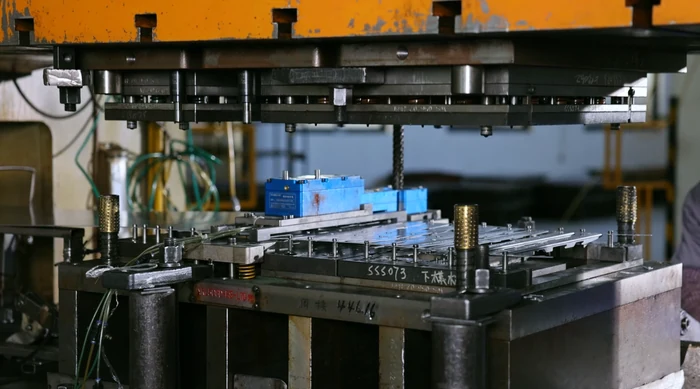
Modern factories employ highly automated equipment for fabrication. High-precision laser cutters, like those used by ThunderTech Pros, can slice through steel with exceptional accuracy, often within a fraction of a millimeter of the digital design. Stamping presses, which use powerful dies to cut and bend metal, are used for high-volume production of components like VESA plates and brackets.

Quality control here is not a one-time setup. It is a continuous process.

At the beginning of each production run, and at regular intervals thereafter, quality technicians must pull sample parts from the line. They use precision measuring tools like digital calipers, micrometers, and sometimes even Coordinate Measuring Machines (CMM) to check dozens of critical dimensions against the engineering drawings.

The CMM is particularly powerful, as it can measure a part in three-dimensional space and compare it to the original CAD model, flagging any deviation that falls outside the specified tolerance.

Testing InstrumentPurposeTypical Tolerance Checked
Digital CalipersMeasuring external/internal dimensions, step, and depth.Component length, hole diameters, bracket width.
MicrometerHighly precise measurement of thickness or diameter.Material thickness, shaft diameter.
Go/No-Go GaugeQuickly verifying if a feature (e.g., a hole) is within tolerance.Pin holes, threaded inserts.
CMM MachineAutomated 3D measurement of complex geometries.Overall part geometry, flatness, position of multiple features.

VESA Compliance: A Non-Negotiable Standard

Perhaps the most critical geometric tolerance for any monitor arm is its adherence to the VESA Flat Display Mounting Interface (FDMI) standard. This standard dictates the precise pattern of mounting holes on the back of monitors and the corresponding plate on the monitor arm. The two most common patterns are 75×75 mm and 100×100 mm.

Testing for VESA compliance is straightforward but must be exact. A factory will use a calibrated VESA gauge or template to check the mounting plate.

The holes must not only be spaced correctly, but they must also be perpendicular to the plate surface. An incorrectly drilled VESA plate means the arm is fundamentally incompatible with the vast majority of monitors on the market, rendering it useless.

For a brand owner, verifying your ODM partner’s VESA compliance check is one of the most basic but essential pieces of due diligence.

Ensuring Fit and Finish for Assembly

Dimensional testing extends beyond individual components to how they interact. This is often called “fit and finish.” Do the plastic covers snap on securely without large, unsightly gaps? Do the pivot pins fit snugly into their joints without being too tight to move or so loose that they wobble?

A good factory designs for tolerance stacking. This is an analysis that calculates the cumulative effect of tolerances from multiple parts in an assembly.

The engineers must ensure that even if every part is at the outer edge of its acceptable tolerance, the final assembly will still function correctly. During the pilot production run of a new design, a key quality check is to assemble a small number of units to physically confirm that all the parts fit together as intended.

This hands-on check can reveal issues that are difficult to spot on a computer screen or by measuring parts in isolation.

3. Weld and Joint Integrity Analysis

The joints and welds of a monitor arm are its skeletal structure. They bear the continuous load of the monitor and endure the stress of every adjustment.

A failure at one of these points is almost always catastrophic, making weld and joint integrity analysis one of the most serious aspects of monitor arm factory quality testing. The strength of the entire product is dictated by the quality of its weakest connection.

Automated vs. Manual Welding: A Comparative Look

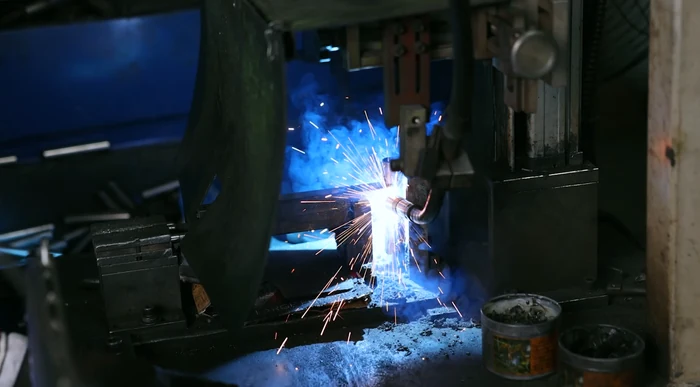
Welding is the process of fusing two pieces of metal together, typically by melting them and adding a filler material to form a strong joint. This can be done manually by a skilled technician or by an automated robotic arm. While a highly skilled manual welder can produce excellent results, robotic welding, as utilized by manufacturers like ThunderTech Pros, offers significant advantages for mass production in terms of quality and consistency.

A robotic welder performs the exact same weld, with the same parameters (travel speed, voltage, wire feed rate), every single time. This removes the variable of human error, fatigue, or inconsistency between different workers on different shifts.

The result is a more uniform weld penetration and bead appearance, leading to a more predictable and reliable joint strength across thousands of units. However, even automated systems require quality oversight.

The robot’s program must be dialed in correctly, and the parts being welded must be clamped in the fixture with precision.

Non-Destructive Testing (NDT) Methods

How can you be sure a weld is strong without breaking it? This is the purpose of non-destructive testing (NDT). Instead of performing destructive tests on every unit, which is impractical, factories use NDT methods on a statistical sampling basis to inspect welds for hidden defects.

Common NDT methods for welds include:

  • Visual Inspection (VT): This is the first line of defense. A trained inspector looks for visible defects like cracks, porosity (small holes in the weld), undercut (a groove melted into the base metal), or lack of fusion.
  • Dye Penetrant Testing (PT): In this method, a colored dye is applied to the weld surface. After a certain time, the excess dye is cleaned off, and a developer is applied. The developer draws any dye trapped in surface-breaking cracks or pores out, making them highly visible.
  • Magnetic Particle Testing (MT): For ferromagnetic materials like steel, this method involves inducing a magnetic field in the part. Fine iron particles are then dusted over the surface. Any surface or near-surface crack will disrupt the magnetic field, causing the particles to accumulate at the defect and reveal its location.

These tests provide confidence in the welding process without having to destroy the products being inspected.

The Weakest Link: Why Joint Failure is Catastrophic

The joints of a monitor arm, particularly the pivot points and the connection to the VESA plate, are subjected to the highest stress concentrations. When you move the monitor, you are applying torque and shear forces directly to these areas. A poorly executed weld can contain microscopic cracks or voids that can propagate over time with repeated use, a phenomenon known as metal fatigue.

A weld might be strong enough to pass an initial static load test, but it could fail unexpectedly after six months of daily adjustments. This is why the combination of process control (using robotic welding), NDT, and lifecycle testing (discussed later) is so vital.

It creates a multi-layered defense against joint failure, ensuring the arm remains safe and reliable not just on day one, but for its entire intended lifespan. For anyone sourcing these products, asking a potential factory about their weld inspection protocol is a direct question about their commitment to user safety.

4. Surface Finish and Corrosion Resistance Evaluation

The surface finish of a monitor arm does more than contribute to its aesthetic appeal; it serves as a critical protective barrier against environmental factors. A durable, well-applied finish prevents rust, resists scratches, and maintains the product’s appearance over years of use.

For a brand, the quality of the finish is a direct reflection of the product’s overall quality. A chipped or rusted arm looks cheap and unreliable.

Therefore, evaluating the surface finish is a key component of a complete monitor arm factory quality testing program.

The Science of Powder Coating

The most common and durable finish for high-quality monitor arms is powder coating. Unlike liquid paint, which is suspended in a solvent, powder coating uses a dry powder made of polymer resins, pigments, and other additives. The process is fascinating and highly effective.

First, the metal parts must be meticulously cleaned and pre-treated. This typically involves a multi-stage chemical wash to remove any oils, dirt, or scale from the manufacturing process. Some advanced pre-treatments also apply a conversion coating, like a phosphate layer, which improves the powder’s adhesion and enhances corrosion resistance.

Next, the parts are moved into a spray booth. The dry powder is given an electrostatic charge, and the metal part is grounded.

When the powder is sprayed, the charged particles are drawn to and wrap around the grounded part, adhering to it through electrostatic attraction. This method ensures a uniform coating, even on complex shapes.

Finally, the parts are conveyed into a curing oven. The heat melts the powder, causing it to flow together and chemically react to form a hard, durable, and continuous film.

This “skin” is significantly tougher and more resistant to chipping, scratching, and fading than conventional liquid paint. Factories like ThunderTech Pros operate their own advanced powder coating lines, giving them direct control over this entire process.

Salt Spray Testing for Durability Simulation

How can a factory predict how well a finish will resist corrosion over several years, especially in a humid coastal environment? The answer is accelerated corrosion testing, most commonly through a salt spray (or salt fog) test.

In this test, a finished component is placed inside a sealed chamber. A heated, atomized solution of saltwater (typically a 5% sodium chloride solution) is continuously sprayed into the chamber, creating a highly corrosive atmosphere.

The test runs for a specified number of hours—24, 48, 96, or even longer. At the end of the test period, the part is removed, rinsed, and carefully inspected for any signs of corrosion, such as “red rust” on steel or blistering of the coating.

The results of a salt spray test provide a standardized way to compare the corrosion resistance of different finishes or processes. A quality specification might state, “The part must show no signs of red rust after 96 hours of salt spray testing according to ASTM B117.” Asking a potential supplier for their salt spray test reports is a direct way to gauge the long-term durability of their finish.

Aesthetic Consistency and Brand Reputation

Beyond durability, the finish must be aesthetically consistent. The color and gloss level should be uniform across all components of a single unit and consistent from one production batch to the next. Quality control technicians use tools like a gloss meter to measure the surface reflectivity and a spectrophotometer or colorimeter to ensure the color matches the master standard within a very tight tolerance.

They also perform visual inspections under controlled lighting to check for defects like “orange peel” (a bumpy texture), drips, or areas where the coating is too thin. These checks ensure that every product that leaves the factory carrying your brand name has the same high-quality appearance, reinforcing the customer’s perception of value and your brand’s commitment to excellence.

5. Gas Spring and Mechanical System Lifecycle Testing

At the heart of any modern, adjustable monitor arm is its articulation mechanism. This is typically either a mechanical spring system or, more commonly in premium arms, a gas spring.

The reliability of this mechanism is what defines the user experience. It’s the difference between effortless, one-touch adjustment and a constant battle with a sagging or stiff arm.

Consequently, rigorous lifecycle testing of these systems is not just a good idea; it is absolutely fundamental to producing a quality product.

The Heart of the Arm: Constant Force Technology Explained

A gas spring, also known as a gas strut or ram, is a sealed cylinder containing pressurized nitrogen gas and a small amount of oil. A piston and rod extend from the cylinder.

When a force is applied (like the weight of a monitor), it pushes the rod in, compressing the gas. The compressed gas then exerts a constant counter-force, effectively neutralizing the weight of the monitor.

This is what allows a heavy screen to feel “weightless” and be moved with minimal effort.

The quality of a gas spring depends on the integrity of its seals, the purity of the gas, and the precision of its internal components. A slow leak in a seal will cause the arm to gradually lose its lifting power over weeks or months, resulting in monitor sag. This is one of the most common failure modes for cheap monitor arms.

Cycle Testing: Simulating Years of Use in Days

How can a factory be sure that a gas spring will last for five or ten years of daily use? They simulate it with automated cycle testing machines.

A cycle test involves mounting the monitor arm (or just the gas spring component) to a rig that repeatedly moves it through its full range of motion. One “cycle” typically consists of moving the arm from its lowest position to its highest position and back down again. The machine can perform thousands of these cycles per day, uninterrupted.

A common quality benchmark for a good gas spring is to survive 10,000 to 25,000 cycles without a significant loss of force (e.g., no more than a 10% drop in lifting power). Let’s put that in perspective: if you adjust your monitor’s height five times every single workday, 250 days a year, that’s 1,250 cycles per year. A 25,000-cycle test, therefore, simulates roughly 20 years of heavy use.

When evaluating a manufacturer, you should always ask for their cycle test reports. What is their standard cycle count?

What is their definition of failure? A reputable factory will have this data readily available, as it is a primary selling point for their mechanism’s durability.

Mechanism TypeHow It WorksProsCons
Gas SpringA sealed cylinder with compressed nitrogen gas provides a counter-force to the monitor’s weight.Smooth, easy, one-touch adjustment. Wide range of motion. Modern aesthetic.More complex and expensive. Can fail if seals leak over time.
Mechanical SpringA coiled steel spring is tensioned to balance the monitor’s weight. Adjustment is often done via a screw.Very reliable and durable. Lower cost. Can often support heavier loads.Adjustment is less fluid (often requires tools or knobs). Can be bulkier.

Temperature and Humidity Stress Testing

Environmental conditions can also affect the performance of a gas spring. The pressure of the gas inside the cylinder changes with temperature.

A responsible monitor arm factory quality testing protocol will include placing the arm in an environmental chamber to test its performance at the extremes of its expected operating conditions. For example, they might test it at 0°C (32°F) and at 40°C (104°F) to ensure the adjustment feel remains smooth and the arm continues to hold its position reliably.

Humidity tests can also be performed to ensure that no part of the mechanism is susceptible to corrosion that could impede its function over time.

6. Load Bearing and Stability Testing (BIFMA Standards)

While lifecycle testing assesses durability over time, load-bearing and stability tests assess the arm’s raw strength and safety at a single point in time. These tests are designed to answer one simple question: can the arm safely hold the equipment it is rated for, even under foreseeable misuse? Many of these tests are guided by standards developed by the Business and Institutional Furniture Manufacturers Association (BIFMA), which provide a common framework for evaluating the safety and performance of office furniture.

Static Load Tests: The Brute Force Check

Static load tests are designed to ensure the arm has a sufficient safety factor. A safety factor is a multiplier applied to the expected load to ensure the product can withstand forces far greater than what it will experience in normal use. For a monitor arm, a typical safety factor is 2x or 3x its maximum rated weight.

A common static load test involves the following steps:

  1. The monitor arm is installed on a test bench according to the manufacturer’s instructions.
  2. A weight equivalent to its maximum rated load is attached to the VESA plate.
  3. An additional proof load, often two or three times the rated weight, is carefully added.
  4. This total weight is left on the arm for a specified period, often one hour.
  5. After the weight is removed, the arm is thoroughly inspected for any signs of damage, such as cracking, bending, deformation of any component, or failure of the desk clamp.

The arm must survive this test with no loss of structural integrity. Passing this test provides confidence that the arm will not suddenly fail under its normal, rated load.

Dynamic Load and Stability: Simulating Real-World Interaction

Static tests are important, but people don’t just leave their monitors in one place. They push them, pull them, and sometimes bump into them. Dynamic and stability tests simulate these real-world forces.

One such test is a stability test. With the maximum rated monitor weight attached, the arm is extended to its most vulnerable position (typically fully forward or to the side).

A horizontal force is then applied to the monitor to simulate someone pushing on it. The arm and its mounting must not allow the monitor to tip over, nor should the desk clamp slip or detach.

Another dynamic test is a drop test. In this BIFMA-style test, a weight is dropped onto the arm from a small height to simulate a sudden impact.

The arm must absorb this shock without any structural failure. These tests are designed to replicate the kind of incidental abuse a product might encounter in a busy office or home environment.

Understanding Safety Factors in Engineering

The concept of a safety factor is central to responsible engineering. It is an explicit acknowledgment that real-world conditions are unpredictable.

A user might accidentally lean on the arm, or they might mount a monitor that is slightly heavier than the stated limit. A safety factor of 3x means the arm’s components were designed and tested to withstand three times the force they are expected to see in normal operation.

When you see a manufacturer like ThunderTech Pros state that their products are designed according to BIFMA standards, it implies that this philosophy of safety-focused engineering is part of their design process. It is a promise that they have gone beyond simply ensuring the arm can hold its rated weight; they have tested it to ensure it can do so safely, even when things don’t go exactly as planned.

7. Packaging and Transit Simulation

The most rigorously tested, perfectly manufactured monitor arm is worthless if it arrives at the customer’s door damaged. The journey from the factory floor to the end user’s desk is a perilous one, filled with vibrations from trucks, shocks from being dropped, and compression from being stacked in a warehouse. This is why the final stage of quality testing—packaging and transit simulation—is so crucial.

ISTA Drop and Vibration Testing

Professional factories don’t just guess if their packaging is good enough. They test it according to established standards, most commonly those set by the International Safe Transit Association (ISTA). ISTA procedures are a series of standardized tests that simulate the hazards of a typical shipping environment.

A common test for a product like a monitor arm is ISTA Procedure 2A. This involves atmospheric conditioning to simulate environmental exposure, compression testing to mimic stacking in a warehouse, vibration testing on a shaker table to replicate a truck ride, and shock or drop testing from specific heights onto faces, edges, and corners. After the full sequence of tests, the box is opened and the product carefully inspected; it must be free from any damage, and the packaging itself should still be intact and functional.

Protecting the Product, Protecting the Brand

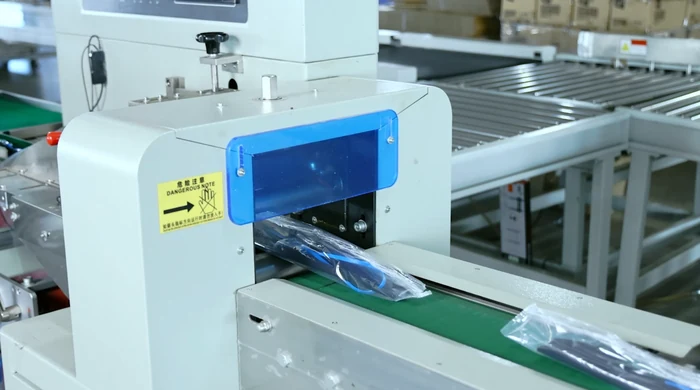
Effective packaging design is a balance between protection and cost. It must use the right materials—whether it’s molded pulp, expanded polyethylene (EPE) foam, or custom-designed cardboard inserts—to cradle the product and keep all its components separated and immobile.

For a brand owner, the packaging is the first physical interaction a customer has with your product. A damaged box or a scuffed product creates an immediate negative impression.

Insisting that your ODM partner provides ISTA test reports for their packaging is a way to protect your investment and ensure your customers have a positive first experience. It is a critical final checkpoint in the overall monitor arm factory quality testing process.

Unboxing Experience as a Quality Indicator

Beyond mere protection, the packaging also contributes to the “unboxing experience.” Are the components laid out logically? Are the instructions clear and easy to find?

Is the hardware organized in labeled bags? A factory that pays attention to these details is demonstrating a holistic understanding of product quality that extends all the way to the end user’s perception.

While not a physical test in the same way as a drop test, evaluating the unboxing experience of a factory’s sample is a valuable qualitative test of their attention to detail.

Selecting a Manufacturing Partner: A Case Study in Vertical Integration

Choosing the right manufacturing partner is arguably the most important decision an e-commerce brand or retailer will make. The partner’s capabilities, processes, and philosophy on quality will directly determine the success of your product line. A factory that is vertically integrated—meaning it controls multiple stages of the manufacturing process under one roof—offers inherent advantages in quality control, flexibility, and supply chain stability.

The Advantages of a Vertically Integrated Factory

Consider a manufacturer like ThunderTech Pros, which operates a 45,000-square-meter facility with in-house capabilities for laser cutting, stamping, welding, powder coating, and assembly. This model presents several key benefits:

  1. Unified Quality Control: When every step happens in-house, a single, unified quality management system can govern the entire process. The team that inspects the raw steel is part of the same organization as the team that performs the final packaging test. This eliminates the “blame game” that can happen when multiple subcontractors are involved.
  2. Reduced Lead Times: Vertical integration removes the delays associated with shipping components between different suppliers. There is no waiting for a third-party powder coater to finish their work. This results in faster production cycles and more predictable delivery schedules.
  3. Greater Flexibility: If a minor design change is needed or a quality issue is discovered, a vertically integrated factory can respond much more quickly. The engineering, production, and quality teams can gather in the same building to solve the problem.
  4. Process Traceability: An ERP system in a vertically integrated factory can track a product from raw material to finished good with complete transparency.

Navigating Certifications: UL, TUV, and BSCI

Reputable manufacturers validate their processes and products through third-party certifications. These serve as an independent verification of their claims. When evaluating a factory, look for certifications like:

  • ISO 9001:2015: This is a globally recognized standard for a quality management system. It doesn’t certify the product itself, but it certifies that the factory has robust and repeatable processes for ensuring quality.
  • UL/ETL: Underwriters Laboratories (UL) and Intertek (ETL) are Nationally Recognized Testing Laboratories (NRTL) in the US. A UL or ETL mark on a product means it has been tested and found to meet specific safety standards.
  • TUV/GS: TÜV is a German certification body. The GS Mark (“Geprüfte Sicherheit” or “Tested Safety”) is a voluntary certification for the German market that indicates a product complies with all statutory safety requirements.
  • BSCI (Business Social Compliance Initiative): This initiative focuses on the social aspect of manufacturing. A BSCI-compliant factory has been audited for fair labor practices, workplace safety, and ethical business conduct.

A manufacturer like ThunderTech Pros, which holds ISO 9001, TUV, and BSCI compliance, demonstrates a multi-faceted commitment to quality, safety, and ethical production.

The “China Plus One” Strategy with Factories in China and Thailand

In recent years, global supply chains have faced disruptions from tariffs, trade disputes, and logistical challenges. This has given rise to the “China Plus One” strategy, where companies diversify their manufacturing footprint to reduce reliance on a single country.

A supplier that operates factories in multiple countries, such as ThunderTech Pros with facilities in both China and Thailand, offers a significant strategic advantage. It provides supply chain resilience.

If production or shipping from one region is impacted by tariffs or other issues, production can potentially be shifted to the other facility. For US-based brands, sourcing from a Thai factory can be a way to mitigate the impact of tariffs placed on Chinese goods, providing a more stable and predictable cost structure.

This dual-factory capability is a sign of a mature, globally-minded manufacturing partner.

How ThunderTech Pros Applies These Quality Gates

ThunderTech Pros runs all seven testing stages inside one vertically integrated 45,000 m² operation, so material certification, dimensional checks, weld inspection, salt-spray testing, cycle testing, BIFMA-style load testing and ISTA transit testing share a single quality management system and ERP-based traceability.

Its gas-spring arms—the single ALS-100 and dual ALS-200—are cycle-tested for long-term force retention, while the mechanical DA-0, DA-2 and DA-4L cover heavier and multi-screen setups.

For oversized displays, the gas-spring monitor-TV hybrids QTH-1CW and QTH-2E extend the same tested mechanism up to 60″ and 40 kg. With dual factories in China and Thailand, ThunderTech Pros lets brands validate one set of test reports and then choose the production origin that best fits their tariff and lead-time needs.

Frequently Asked Questions

What is the difference between OEM and ODM for monitor arms?

OEM (Original Equipment Manufacturer) is a model where you, the brand, provide a complete, custom product design to the factory, and they manufacture it exclusively for you. ODM (Original Design Manufacturer) is when you select a product from the factory’s existing catalog of designs, which you can then customize with your own branding, colors, and packaging. For most e-commerce brands, ODM is a faster and more cost-effective way to enter the market, as the engineering and tooling costs are already absorbed by the manufacturer.

How many cycles should a good gas spring monitor arm last?

A high-quality gas spring should be tested to withstand at least 10,000 to 25,000 full cycles (from lowest to highest position and back) without a significant loss of lifting force. A 10,000-cycle rating simulates several years of regular daily use, providing confidence in the long-term durability of the adjustment mechanism. Always ask a potential supplier for their specific cycle test data.

What does BIFMA compliance mean for a monitor arm?

BIFMA (Business and Institutional Furniture Manufacturers Association) sets voluntary standards for the safety and performance of office furniture. While there isn’t one single standard for monitor arms, manufacturers often test their products according to relevant BIFMA principles, such as static load testing (testing well beyond the rated weight), stability testing, and durability testing. A claim of being “designed to BIFMA standards” implies a commitment to safety and a rigorous testing protocol.

Why is vertical integration important for a monitor arm factory?

Vertical integration means the factory controls most or all of the production steps in-house—from cutting raw metal to welding, painting, and assembly. This is important because it allows for a single, unified quality control system, reduces lead times, increases flexibility for customization, and enables complete traceability of materials and processes. It significantly reduces the risks associated with relying on a chain of external subcontractors.

Can I get a monitor arm in a custom color?

Yes, most reputable ODM manufacturers offer customization options. For powder-coated arms, they can typically match any color from a standardized system like the RAL color chart.

This allows brands to create products that align with their specific brand identity or match other products in their catalog. There may be a minimum order quantity (MOQ) required for custom color runs.

What is the typical lead time for an ODM monitor arm order?

Lead times can vary, but for an ODM project where you are selecting an existing design and customizing the branding and packaging, a typical timeframe from order confirmation to shipment might be 8 to 12 weeks. This is significantly faster than an OEM project, which requires a lengthy design, prototyping, and tooling phase that can take 6 to 12 months before production can even begin.

How do tariffs affect the cost of sourcing monitor arms from China?

For US-based importers, goods sourced from China may be subject to additional tariffs, such as those imposed under Section 301. These tariffs can add a significant percentage to the landed cost of the product. This has made the “China Plus One” strategy popular, where brands seek out suppliers with manufacturing facilities in other countries, like Thailand or Vietnam, to mitigate this tariff risk and diversify their supply chain.

Final Thoughts on Sourcing with Confidence

The journey of a monitor arm from a coil of steel to a functional ergonomic tool is a complex one, defined at every step by the manufacturer’s commitment to quality. The seven pillars of testing—from material verification to transit simulation—are not merely items on a checklist.

They represent a philosophy. They embody the understanding that true quality is not just about a product that works on day one, but about a product that is safe, reliable, and performs consistently for years.

When you engage with a potential manufacturing partner, look beyond the product sample in your hands. Inquire about their processes.

Ask to see their test reports. Understand their quality management system.

By focusing on the rigor of their monitor arm factory quality testing, you are not just buying a product; you are investing in your brand’s reputation and your customers’ trust. Choosing a partner with proven, transparent, and comprehensive quality systems is the surest path to sourcing with confidence.

Scroll to Top